
How Sun Exposure and Shade Affect Mold and Moss Growth on Roofs
Every home possesses its own unique microclimate, where shifting elements dictate the long-term beauty and health of the exterior. Sunlight, shade, surrounding foliage, and atmospheric moisture all play vital roles in how a residential roof ages and performs over the years. Some properties remain vibrant and pristine with minimal intervention, while others quickly develop unsightly dark streaks or thick patches of green organic growth.
Understanding the delicate relationship between environmental exposure and roof conditions is essential for maintaining the structural integrity and aesthetic appeal of the property. When specific areas of a roof remain shielded from the sun, they retain moisture much longer, creating a sanctuary for unwanted organisms. By recognizing how nature interacts with exterior surfaces, homeowners can take proactive steps to restore and protect their investments.
This guide explores the profound impact that varying degrees of sunlight and shade have on roofing materials, detailing the exact causes of mold and moss development on roof. It also highlights the gentle yet highly effective strategies available to safely sweep away years of weathering, revealing the true beauty of the home without causing damage.
How Sunlight Impacts Roof Moisture Levels
Direct Sunlight Helps Roofs Dry Faster
Bask in the transformative power of natural sunlight, which acts as the ultimate purifying force for exterior surfaces. When direct rays strike roofing materials, they accelerate the evaporation process, swiftly eliminating the lingering dampness that allows unwanted organisms to take root.
Heat Can Limit Moss and Mold Development
Radiant warmth from consistent sun exposure fundamentally alters the environment, making it exceedingly difficult for moisture-loving spores to thrive. Mold, algae, and moss require cool, damp sanctuaries to multiply, but the natural heat generated by direct sunlight disrupts their growth cycles.
Uneven Sun Exposure Creates Different Roof Conditions
Experience the contrasting reality of a single roof, where the south-facing planes may gleam with renewed freshness while the northern slopes quietly harbor dampness. Architectural angles and directional orientation mean that certain sections of the roof dry rapidly, whereas others remain shrouded in shadows for extended periods. Acknowledging this uneven exposure helps homeowners understand why one side of their property might require more frequent attention to maintain its vibrant, inviting splendor.
Why Shaded Roof Areas Are More Vulnerable
Trees and Nearby Structures Block Sunlight
Lush, mature trees add undeniable charm to a landscape, but their sweeping canopies often cast long, permanent shadows over the roof. Overhanging branches and towering neighboring buildings block the crucial sunlight needed to evaporate morning dew and rain, plunging exterior surfaces into a constant state of coolness.
Damp Conditions Encourage Organic Growth
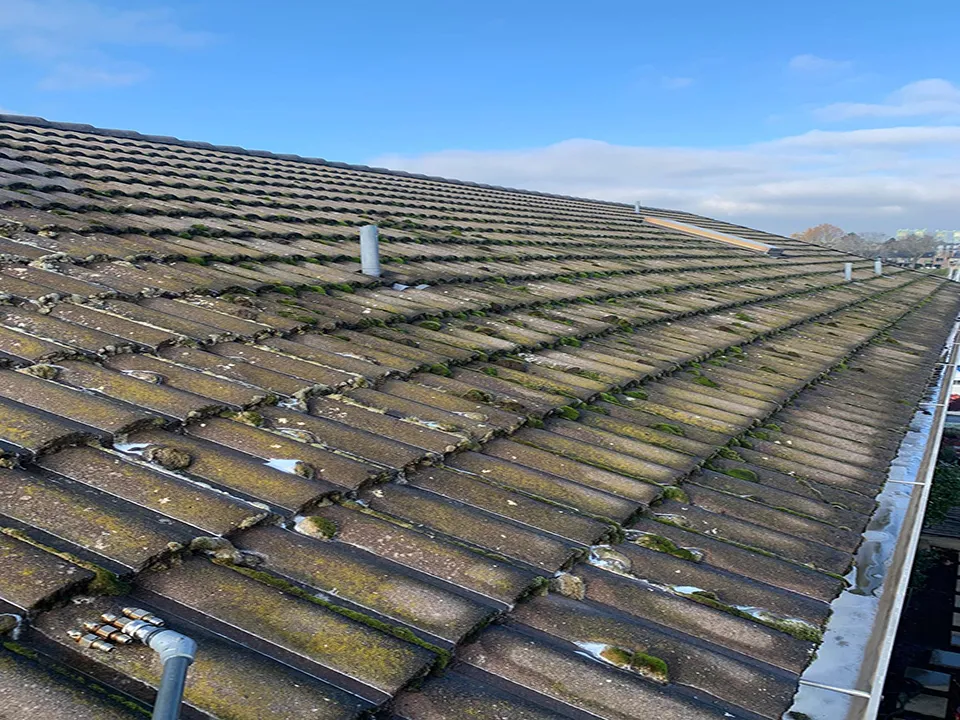
Deprived of the sun’s drying power, shaded roofing sections transform into continuous reservoirs of trapped moisture. These cool, sheltered environments provide the exact conditions moss and mold need to flourish, slowly establishing roots that grip tightly to shingles and tiles.
Shade Can Hide Early Signs of Roof Buildup
Shadows do more than just encourage organic growth; they also masterfully conceal the early warning signs of developing roof issues. Tucked away in darker corners or beneath dense foliage, creeping algae and nascent moss colonies can establish themselves entirely unnoticed by the casual observer.
Mold and Moss Thrive in Moisture-Rich Environments
Organic Growth Feeds on Damp Surfaces
Every lingering drop of water serves as sustenance for spores looking to claim the roof as their new habitat. Moss and mold inherently feed on the combination of trapped moisture and airborne dust, slowly multiplying into thick patches that dull the property’s overall aesthetic. Elevate the home’s protection by recognizing that these damp surfaces are not just wet—they are active feeding grounds that compromise the flawless finish of the exterior.
Roof Debris Increases Moisture Retention
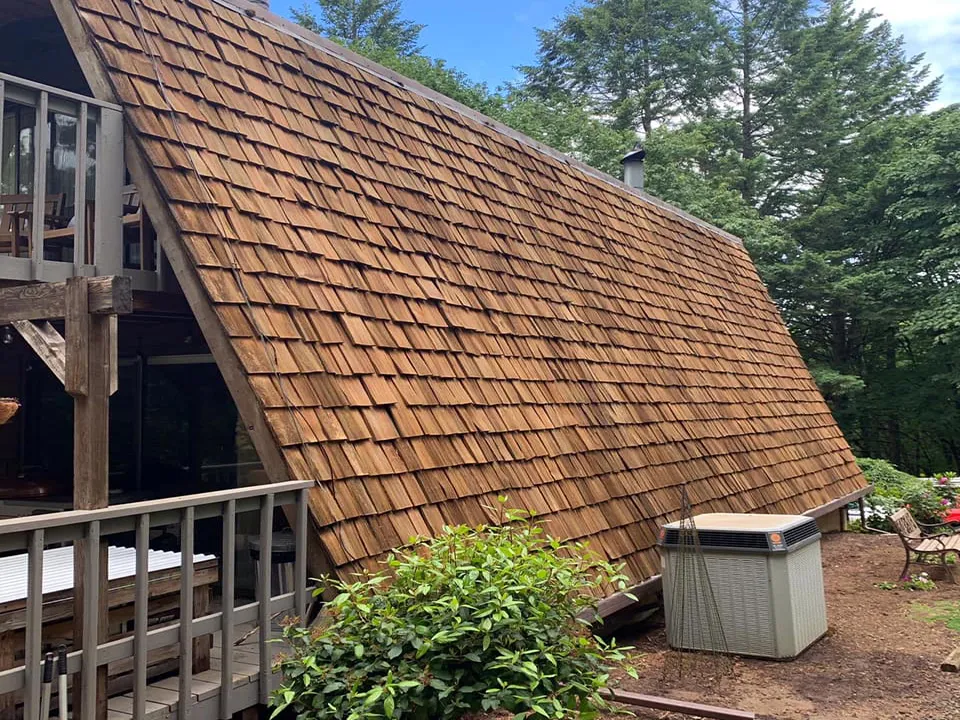
Fallen leaves, snapped twigs, and accumulating dirt act as a sponge, eagerly soaking up rainwater and pressing it directly against the roof’s delicate surface. This dense layer of organic debris prevents natural airflow, suffocating the shingles and locking in the dampness needed for rapid moss expansion.
Humid Climates Accelerate Roof Growth Issues
In regions where the air hangs heavy with moisture, exterior surfaces rarely receive the opportunity to dry out completely. High humidity blankets the roof in a continuous layer of microscopic water droplets, accelerating the aggressive spread of mold and algae across the entire structure.
The Effects of Moss and Mold on Roofing Materials
Moss Can Trap Water Against the Roof
Thick, velvet-like moss may look natural, but it acts as a dangerous moisture trap that holds rainwater directly against vulnerable roofing materials. This constant saturation prevents the normal shedding of water, forcing moisture to seep under shingles and potentially compromise the protective underlayment.
Mold and Algae May Cause Roof Staining
The hidden splendor of the home is frequently masked by dark, unappealing streaks that drag down the property’s curb appeal. These prominent black stains are the result of aggressive algae and mold colonies feeding on the limestone filler found in many modern shingles. Revitalizing these stained areas requires a careful touch to lift away years of grime, restoring a vibrant, welcoming appearance to the neighborhood.
Long-Term Growth May Contribute to Surface Wear
When left untreated, the relentless grip of moss and mold gradually degrades the granular surface of shingles, accelerating the natural aging process of the roof. The tiny roots of moss pry at the edges of roofing materials, lifting them and exposing the home to potential water intrusion.
Seasonal Changes Influence Roof Growth Patterns
Rainy Seasons Increase Roof Moisture
Spring and early summer rains bring vital life to the garden, but they also saturate the roof with endless cycles of heavy moisture. Frequent downpours ensure that shaded areas never fully dry, establishing the perfect foundation for aggressive moss and algae blooms.
Fall Debris Adds More Organic Material
As autumn arrives, the breathtaking display of falling leaves quickly turns into a heavy, damp burden accumulating in valleys and gutters. This seasonal shedding deposits a thick layer of organic material that traps autumn rains, feeding the microscopic spores waiting to sprout. Removing this seasonal buildup gently sweeps away the threat of weathering, leaving behind a refreshed landscape ready to face the coming chill.
Winter Conditions Slow Evaporation
The arrival of cold winter months brings shorter days, weaker sunlight, and a drastic reduction in the natural evaporation process. Frost, snow, and freezing rain cling to the roof, holding dormant moisture against the shingles for weeks or even months at a time. Navigating this frigid season requires an understanding that while growth may slow, the trapped moisture remains a looming threat that must be managed to maintain the home’s lasting beauty.
Preventive Maintenance Helps Reduce Roof Buildup
Routine Roof Cleaning Removes Organic Growth
Experience the transformative power of routine maintenance, designed to rejuvenate the home’s exterior before minor issues become major concerns. Scheduled roof cleaning safely wash away emerging mold and moss, ensuring the roof maintains its pristine finish without the need for harsh, damaging scraping.
Trimming Trees Improves Sunlight Exposure
Reveal the natural beauty of the property by selectively trimming back the dense branches that cast permanent shadows over the roof. Allowing warm, healing sunlight to reach previously shaded sections dramatically improves airflow and creates a naturally dry environment that repels organic growth.
Gutter Maintenance Supports Proper Drainage
Properly functioning gutters serve as the essential veins of the home’s exterior, swiftly carrying damaging water away from the delicate roofline. When gutters are clear of mud and leaves, water flows freely, preventing the dangerous overflow that soaks the edges of the roof and invites moss.
Warning Signs Homeowners Should Watch For
Dark Streaks May Indicate Algae or Mold
Catching the early signs of surface weathering often begins with noticing faint, dark streaks cascading down the slopes of the roof. These shadowy lines are not merely dirt, but active algae colonies that require immediate, gentle remediation to prevent them from spreading further. Addressing these streaks promptly restores the vibrant aesthetic of the home, transforming a tired exterior into a gleaming neighborhood standout.
Green Patches Can Point to Moss Growth
Small, seemingly harmless patches of green appearing in the shaded valleys of the roof are clear indicators that moisture is actively trapped against the shingles. These vibrant clusters of moss quickly multiply if ignored, forming a thick mat that threatens the underlying structure.
Persistent Dampness Suggests Drainage or Ventilation Problems
When a roof remains visibly wet long after a storm has passed, it serves as a quiet warning that the home’s exterior drainage or internal ventilation requires attention. This persistent dampness invites a host of weathering issues, from rapid mold colonization to premature aging of the materials.

How A+ Exterior Cleaning Helps Maintain Healthier Roofs
Professional Roof Cleaning Targets Organic Buildup
Restore the hidden splendor of outdoor living spaces with specialized roof cleaning services that specifically target stubborn mold, algae, and moss. The skilled professionals at A+ Exterior Cleaning apply methods designed to gently lift away years of dirt and grime, unveiling the true beauty of the property.
Safe Cleaning Methods Help Protect Roofing Materials
Enjoy peace of mind knowing that A+ Exterior Cleaning relies on soft washing techniques that deliver a deep clean while preserving the integrity of the surface. This gentle yet highly effective cleaning method avoids the destructive force of high-pressure washing, protecting delicate shingles from unnecessary granule loss.
Routine Exterior Maintenance Supports Long-Term Roof Care
Elevate the home’s protection with consistent, professional maintenance that manages the inevitable buildup caused by relentless sun and shade cycles. Ongoing care from A+ Exterior Cleaning ensures the property remains safeguarded against the creeping damage of trapped moisture and organic expansion.
Fostering Lasting Beauty and Roof Protection
Varying levels of sunlight and shade will always dictate how moisture interacts with the exterior of a home. Direct sun acts as a natural purifier, drying out shingles and preventing spores from taking hold, while shaded areas harbor the dampness that fuels aggressive moss and algae colonies. Acknowledging this environmental balance is the first step toward reclaiming the pristine, vibrant appearance of the property.
Moisture control remains the ultimate key to preventing mold and moss from masking the home’s original elegance. By prioritizing proper drainage, keeping surrounding foliage trimmed, and monitoring the roof for early warning signs, the perfect environment for a clean, dry exterior is easily maintained.
Proactive exterior care ultimately preserves the aesthetic and structural splendor of the home for years to come. Staying consistent with gentle yet highly effective maintenance sweeps away the burdens of nature, revealing a refreshed, welcoming space. Let a commitment to regular care rejuvenate the property, leaving behind a gleaming finish that stands as a testament to true homeowner pride.
https://www.google.com/maps?cid=9581861370272832557