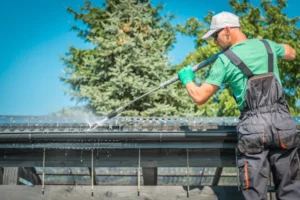
How Weather Affects the Results of Pressure Washing and Roof Cleaning
Planning to give your home’s exterior a good clean? Before you book a pressure washing or roof cleaning service, there’s one major factor you need to consider: the weather. The temperature, rain, humidity, and even the amount of sunlight can significantly impact the quality and safety of an exterior cleaning job.
Getting the timing right is crucial for achieving that sparkling, like-new finish. Cleaning in the wrong conditions can lead to subpar results, potential damage to your property, or even safety hazards. That’s why understanding the ideal weather for these tasks is so important. At A+ Exterior Cleaning, we are experts in reading the forecast to pick the perfect day for your project, ensuring a safe and effective clean every time.
This guide will walk you through how different weather elements affect pressure washing and roof cleaning, and explain why professional timing is your best bet for outstanding results.
The Role of Temperature in Pressure Washing
Temperature plays a surprisingly significant role in the effectiveness of a pressure wash. Both extreme heat and cold can negatively affect the cleaning process and the final outcome.
Cleaning in freezing temperatures is a definite no-go. When water is sprayed onto a surface in below-freezing weather, it can quickly turn to ice. This creates a dangerous, slippery layer on walkways, driveways, and decks. Furthermore, water that seeps into cracks and then freezes can expand, potentially causing significant damage to materials like concrete, brick, and wood. Cleaning solutions also tend to work less effectively in very cold weather.
On the other hand, scorching heat presents its own set of challenges. High temperatures can cause cleaning solutions and water to evaporate too quickly. This rapid drying can leave behind unsightly streaks, soap residue, and water spots before the surface can be properly rinsed. For this reason, A+ Exterior Cleaning recommends scheduling pressure washing for days with moderate temperatures, typically between 50°F and 80°F, to ensure the cleaning agents work effectively and your home gets a flawless finish.

Rain: Friend or Foe for Cleaning Projects?
It might seem counterintuitive, but a light, gentle rain can sometimes be beneficial for exterior cleaning projects. A light drizzle can help pre-soak surfaces, which loosens dirt and grime. This can make the pressure washing process more efficient, allowing the cleaning solutions to penetrate more deeply and work more effectively.
However, heavy rain or thunderstorms are a different story. A downpour will dilute cleaning solutions, washing them away before they have a chance to work. Strong winds that often accompany storms can make it unsafe to operate pressure washing equipment, especially when working on ladders or elevated surfaces. Heavy rain also makes it difficult for technicians to see what they are doing, increasing the risk of missing spots.
At A+ Exterior Cleaning, we have a strategic approach to scheduling around rain. We monitor forecasts closely to leverage light rain when possible but will always reschedule in the case of heavy downpours or storms to ensure both the safety of our team and the quality of our work.
Humidity and Its Impact on Drying Times
Humidity, or the amount of moisture in the air, directly affects how long it takes for surfaces to dry after being cleaned. This is especially important for roof cleaning and house washing projects.
In conditions of high humidity, evaporation slows down considerably. This means surfaces stay wet for longer, which can lead to a few problems. Prolonged dampness can encourage the growth of mold and mildew, the very things you’re trying to eliminate. It can also cause streaking on siding and windows as the water slowly drips down.
Conversely, low humidity is ideal for exterior cleaning. It allows surfaces to dry quickly and evenly, resulting in a clean, crisp finish. A faster drying time minimizes the risk of new dirt or pollen settling on the wet surface. A+ Exterior Cleaning is experienced in managing humidity-related challenges and will advise on the best times for cleaning to ensure your property dries efficiently for the best possible results.
Sunlight: The Double-Edged Sword
Bright, sunny days might seem ideal for outdoor tasks like pressure washing, but direct sunlight poses unique challenges. While sunlight offers excellent visibility, allowing technicians to spot dirt and grime more effectively, the heat can lead to complications. Cleaning solutions tend to dry too quickly, risking streaks and residue left on surfaces.
Surfaces like siding and vehicles are particularly prone to premature drying under intense sunlight. Left unchecked, this issue can mar the appearance of a freshly cleaned area. To counteract this, timing is critical. Cleaning in shaded areas or during cooler hours, like early morning or late afternoon, can minimize these effects and improve outcomes.
A+ Exterior Cleaning’s team is trained to adapt to sunlight conditions throughout the day. By carefully planning their approach and working as the sun moves, they keep surfaces shaded for the best results. Their expertise ensures a consistently flawless and streak-free finish, even when cleaning during sunny weather.
Seasonal Considerations for Exterior Cleaning
Each season brings its own advantages and challenges for exterior cleaning.
Spring Cleaning
Spring is one of the best times to schedule pressure washing and roof cleaning. Temperatures are mild, making it comfortable to work outdoors. Pollen buildup and leftover winter grime are at their peak, so cleaning during this season ensures your home looks its best as you prepare for the warmer months ahead.
Summer Cleaning
Summer offers the advantage of long daylight hours, providing more flexibility with scheduling. However, extreme heat can pose challenges as water evaporates quickly, and surfaces can become unbearably hot. For the best results, early morning or evening appointments are ideal during summer, when temperatures are cooler and easier to work in.
Fall Cleaning
Fall is another prime time for exterior cleaning. Cooler temperatures are more manageable, and it allows you to remove leaves, algae, and debris before winter arrives. Cleaning during the fall helps protect your property from moisture-related issues and ensures a tidy appearance before the weather turns colder and less predictable.
Winter Cleaning
Winter is generally the most challenging season for exterior cleaning. Freezing temperatures, shorter days, and unpredictable weather create safety concerns and often prevent effective cleaning. Most professionals, including A+ Exterior Cleaning, suggest waiting until spring unless there’s an urgent need, as winter conditions can compromise the quality of the results.
Safety First: Weather-Related Hazards
Above all, safety is the top priority for any exterior cleaning project. Weather can introduce several hazards that professionals are trained to handle.
Slippery Surfaces
Rain, frost, or ice can turn walkways, decks, and roofs into hazardous areas. These conditions drastically increase the risk of slips and falls, especially when working at heights. Professionals are equipped with the appropriate gear and expertise to handle such situations, reducing the danger for both technicians and property owners.
Windy Conditions
High winds create considerable challenges during exterior cleaning tasks. Strong gusts can destabilize ladders and blow debris, potentially causing accidents or property damage. Operating on roofs or elevated surfaces becomes especially risky. Experienced professionals carefully assess weather conditions beforehand to mitigate risks while ensuring the job is completed safely and effectively.
Electrical Risks
Using high-powered electrical equipment like pressure washers in wet or damp conditions requires significant caution. Water and electricity can be a dangerous combination, posing a serious threat of electrical shock if not handled correctly. Professionals take extra measures to ensure safety, from using proper insulation to working under controlled conditions whenever possible.
A+ Exterior Cleaning prioritizes safety above all else. Our team is fully equipped and trained to assess weather conditions and mitigate any risks. We will never proceed with a job if the conditions are unsafe, because your peace of mind and the well-being of our staff are paramount.

Additional guidance
The Rain Factor: When to Proceed and When to Reschedule
Rain is the trickiest variable in exterior cleaning. Light rain after a completed job isn’t usually a problem—it can actually help rinse residual cleaning solution from surrounding plants and landscaping. But rain during or immediately before a cleaning session is a different story.
- Rain Before Cleaning: Attempting to clean a surface that is already saturated with rainwater is inefficient. The cleaning solution becomes diluted almost instantly, preventing it from properly adhering to the surface and breaking down contaminants. Furthermore, the technician has to contend with standing water, which can make the process more difficult and less effective. For these reasons, it’s almost always better to reschedule. Waiting for 24 to 48 hours of dry weather will ensure the surface is ready for treatment and lead to far superior results.
- Rain During Cleaning: If rain begins to fall mid-job, it poses a significant problem for the cleaning process. Most chemical solutions, especially those used in soft washing, require a specific “dwell time”—typically 15 to 20 minutes—to effectively break down organic growth like algae, mold, and mildew. Rain interrupts this critical window by diluting the solution and washing it away prematurely. This can result in an incomplete treatment, allowing biological contaminants to return much faster than they would otherwise.
- Heavy Rain in the Forecast: While it may seem counterintuitive, scheduling a roof treatment just before a forecasted heavy rain can sometimes be beneficial. The downpour can help thoroughly rinse away the cleaning solution and the now-dead organic matter from the roof. However, this is a risky strategy. If the rain arrives too soon—before the solution has had adequate time to work—it will neutralize the chemicals and render the treatment ineffective. It’s a gamble that depends heavily on precise timing.
Given these variables, the most reliable guideline is to schedule any exterior chemical cleaning for a time when you can expect at least 24 hours of dry weather afterward. This ensures the solution has ample time to work effectively, giving you the best and most long-lasting results.
Winter Challenges: Freezing Temperatures and Equipment Risks
Cold weather cleaning is possible, but it comes with real risks—both to the quality of the clean and to the equipment involved.
Freezing Water in Equipment
Pressure washing equipment contains pumps, hoses, and fittings that can crack or burst when water freezes inside them. Even in temperatures just below freezing, residual water left in a pump overnight can cause significant damage. Professional operators know to drain and blow out equipment thoroughly after cold-weather jobs—but a single oversight can be costly.
Chemical Performance in the Cold
As mentioned above, sodium hypochlorite loses effectiveness at low temperatures. This isn’t just a minor inconvenience—it can mean an entire roof treatment fails to kill the underlying biological growth, leading to rapid regrowth and a callback within weeks.
For pressure washing, cold water itself is less effective at removing grease and biofilm than warm water. Some professional rigs include water heating capabilities, which helps compensate—but this adds time and cost to the job.
When Is Winter Cleaning Worth It?
There are situations where winter cleaning makes sense: preparing a home for sale, addressing a specific contamination issue, or completing a project before the ground freezes. But for routine maintenance, scheduling in spring or fall generally produces better, longer-lasting results.
The Best Conditions for Pressure Washing Siding and Decks
Not all mild days are created equal. For pressure washing siding and decks, the ideal conditions sit somewhere between 50°F and 80°F, with low humidity and overcast skies. Here’s why each factor matters:
- Temperature: Cleaning solutions—whether detergent-based or chemical—are formulated to work within specific temperature ranges. Too cold, and the solution thickens, loses its effectiveness, and may not rinse cleanly. Too hot, and it evaporates before it has time to break down grime, algae, or mildew.
- Humidity: High humidity slows the drying process significantly. For wood decks in particular, moisture-saturated surfaces are more susceptible to re-growth of mold and mildew shortly after cleaning. Ideally, low humidity helps surfaces dry faster and discourages biological regrowth.
- Sunlight: Direct sun can cause detergent to dry on the surface before it gets rinsed off—leaving streaks or residue. Overcast conditions give the cleaning solution enough dwell time to do its job properly.
What About Windy Days?
Light wind is generally fine, but strong gusts create problems. Overspray becomes unpredictable, chemical solutions drift onto plants and landscaping, and water pressure becomes harder to control. For siding especially, wind can push water under panels, increasing the risk of moisture intrusion.
Schedule Your Cleaning with Weather-Optimized Precision
The weather is an unlisted partner in every pressure washing and roof cleaning project. Temperature, rain, humidity, and sunlight all have a profound effect on the final results, the longevity of the clean, and the safety of the operation. While it may be tempting to rent a pressure washer and tackle the job on a free weekend, achieving a professional, lasting clean requires a deep understanding of these environmental variables.
Hiring an expert who knows how to work with the weather, not against it, is the best way to ensure your home looks its absolute best. Professionals have the experience to choose the right timing, the right techniques, and the right solutions for any given condition.
Don’t leave the beauty and integrity of your home to chance. Contact A+ Exterior Cleaning today to schedule your next exterior cleaning project. We bring the expertise needed to deliver a stunning, weather-optimized clean with precision and care.
https://www.google.com/maps?cid=9581861370272832557