The Role of Roof Cleaning in Maintaining Your Home’s Energy Efficiency
Your roof does more than just keep the rain out; it’s a critical component of your home’s overall performance. While we often think about insulation in our walls or the efficiency of our windows, the condition of your roof plays a surprisingly large role in how much you spend on energy each month. Proper roof maintenance is key, and that includes regular cleaning. A clean roof isn’t just about curb appeal—it’s about optimizing your home’s energy efficiency. At A+ Exterior Cleaning, we help homeowners unlock these savings and protect their most valuable asset.
This post explores the direct connection between a roof cleaning and a more energy-efficient home. We’ll examine how buildup impacts your energy bills, the science behind how a clean surface saves you money, and why professional cleaning is a smart investment for any homeowner.
How a Dirty Roof Impacts Energy Efficiency
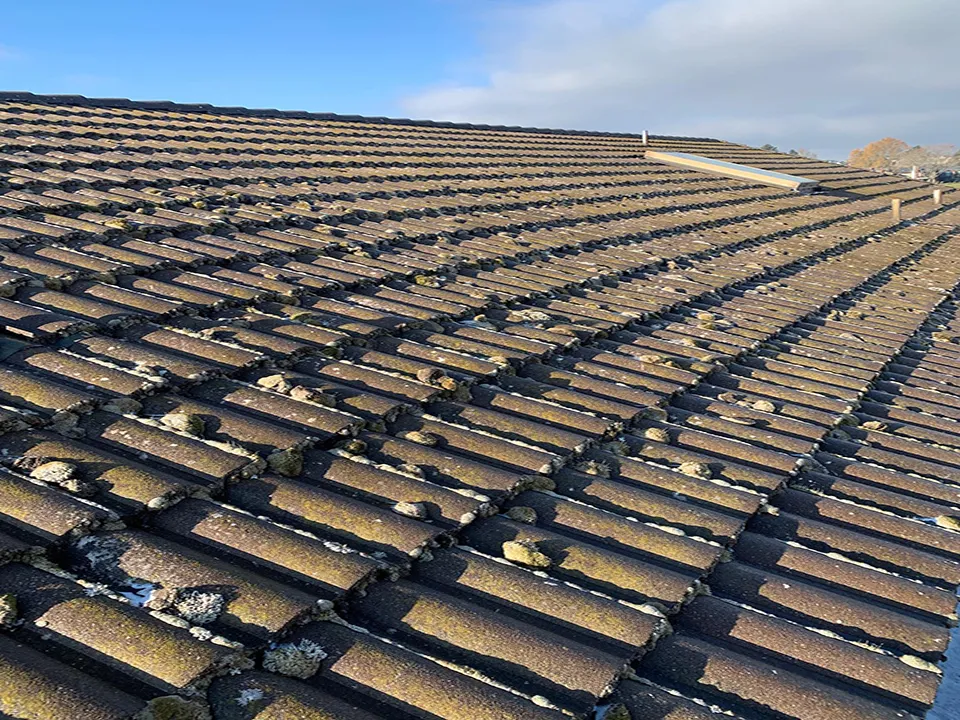
Have you noticed dark streaks, moss, or other organic growth on your roof? This buildup is more than just an eyesore. It actively undermines your home’s ability to regulate its temperature, leading to higher energy consumption and increased strain on your HVAC system.
Algae, Moss, and Debris Trap Heat
Dark streaks on your roof are typically caused by Gloeocapsa magma, a type of blue-green algae. These streaks absorb a significant amount of the sun’s heat, making your roof hotter than a clean one, especially in summer. This heat radiates into your home, forcing your air conditioning to work harder to keep the house cool.
Moss and lichen are even worse. They trap heat and retain moisture, preventing your roof from drying properly and potentially damaging your shingles. Debris like leaves and pine needles creates an insulating blanket that holds heat against the roof, stopping it from reflecting solar radiation.
Strain on Your HVAC System and Wallet
When your roof traps this excess heat, your cooling system runs more frequently, consuming more electricity and leading to higher utility bills, particularly in hot months.
This constant workload also causes premature wear and tear on your HVAC components. You may face more frequent repairs and a shorter lifespan for your system. A dirty roof starts a chain reaction that ends with higher costs and a less comfortable home.

The Science Behind Roof Cleaning and Energy Savings
Understanding why a dirty roof wastes energy helps clarify how a clean roof saves it. The solution lies in restoring your roof’s ability to reflect heat and allow for proper ventilation.
Improving Heat Reflection and Insulation
Most roofing materials, especially lighter-colored shingles, are designed to reflect solar radiation, measured by the Solar Reflectance Index (SRI). When covered in dark algae, moss, or debris, your roof’s SRI drops, causing it to absorb heat instead of reflecting it.
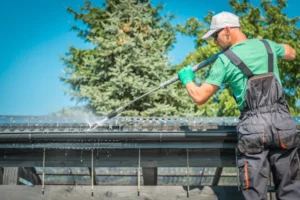
Professional cleaning removes these heat-absorbing layers, restoring your shingles’ original color and reflective capability. This allows your roof to properly reflect sunlight, significantly reducing heat transfer into your attic. This natural cooling means your air conditioner works less, leading to immediate energy savings, a cooler attic, more comfortable living spaces, and lower energy bills.
The Importance of Proper Airflow
A cleaning the roof also contributes to better attic ventilation. Debris buildup, especially around vents and along ridges, can obstruct airflow. Proper ventilation is essential for a healthy and energy-efficient home. It allows hot, moist air to escape the attic, preventing heat buildup in the summer and moisture-related issues like mold and wood rot in the winter. When vents are clear and the roof surface is clean, the entire system functions as intended, maintaining a more stable temperature in the attic and reducing the burden on your insulation and HVAC system.
Signs Your Roof Needs Cleaning
Don’t wait for your energy bills to spike before taking action. You can often spot the early warning signs of a roof that is losing its energy efficiency. Being proactive can save you money and prevent more significant damage down the road.
Common indicators include:
- Dark Streaks or Discoloration: The most obvious sign, these black or dark green streaks are colonies of Gloeocapsa magma algae. They are often more prominent on the north-facing side of the roof, which receives less direct sunlight, making these areas ideal for algae growth.
- Moss and Lichen Growth: Patches of green, fuzzy moss or flat, leafy lichen indicate a moisture problem. Moss can lift shingles and trap water, leading to rot, leaks, and heat absorption that can significantly reduce your roof’s energy efficiency.
- Debris Buildup: Piles of leaves, pine needles, and twigs often accumulate in roof valleys or along dormers. These materials trap moisture, block proper drainage, and create an environment that fosters moss and algae development.
- Gutter Gardens: Plants sprouting from gutters are clear evidence of severe clogs. Clogged gutters cause water to back up onto the roof, encouraging moss and algae growth while potentially leading to water damage in the long run.
Spotting these signs early allows you to address the problem before it significantly impacts your home’s energy performance or causes lasting damage to your roofing materials.
The A+ Exterior Cleaning Advantage: Professional vs. DIY
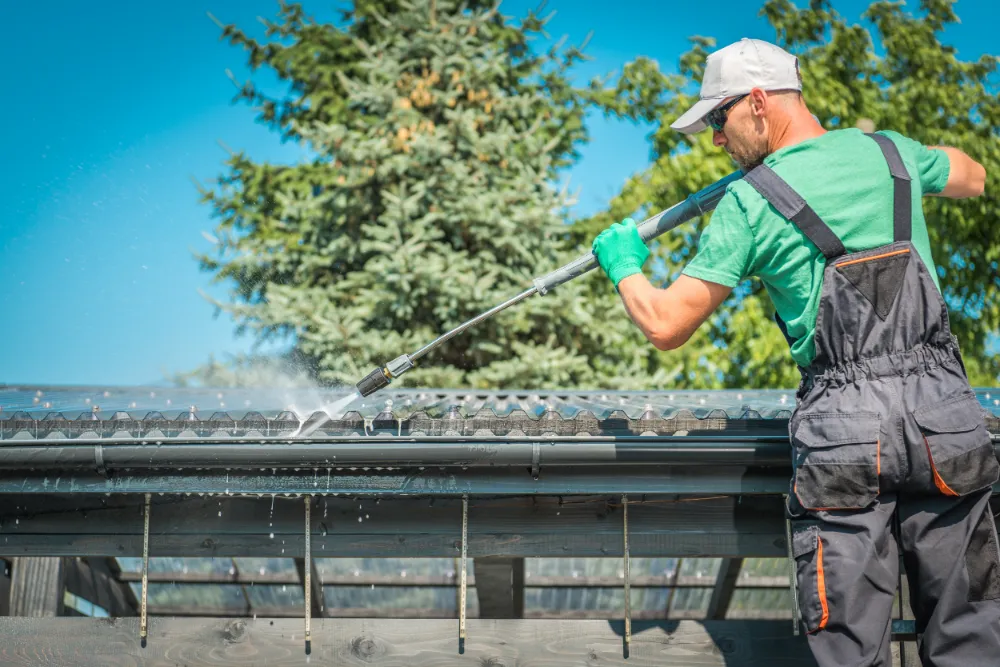
When you notice your roof needs cleaning, you might be tempted to tackle the job yourself. However, DIY roof cleaning can be risky and often ineffective. Using a pressure washer, for example, can be incredibly damaging. The high pressure can strip away the protective granules on asphalt shingles, void your roof’s warranty, and force water underneath the shingles, leading to leaks and rot.
Choosing a professional service like A+ Exterior Cleaning ensures the job is done safely, effectively, and without causing harm to your property.
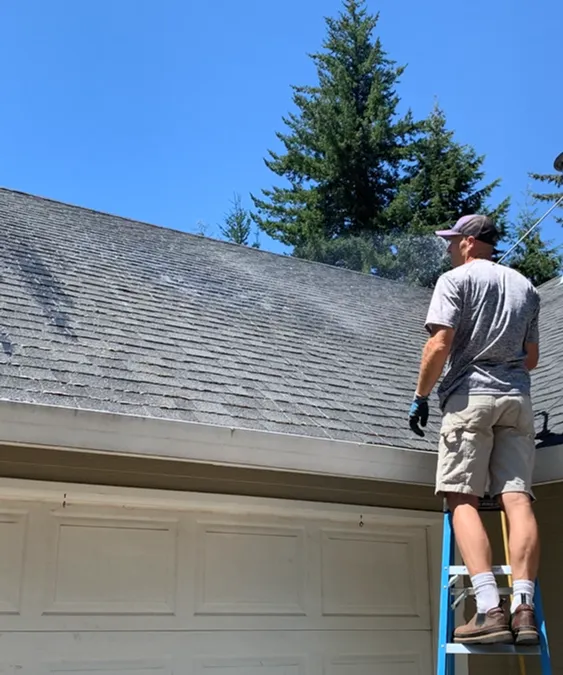
Our team is trained in soft washing techniques, which is the industry-approved method for cleaning roofs. Soft washing uses low-pressure water combined with specialized, eco-friendly cleaning solutions to kill algae, moss, and lichen at the root. This method is gentle on your shingles but tough on organic growth, delivering a deeper, longer-lasting clean without the risk of damage. We have the right equipment, safety protocols, and expertise to protect your roof and your home.
Energy Efficiency and Long-Term Savings
The benefits of professional roof cleaning extend far beyond immediate energy savings. It’s an investment in the long-term health and value of your home. A clean roof reflects sunlight more effectively, reducing your monthly utility bills. While the savings may seem minor at first, over a year and the lifespan of your roof, these add up significantly.
More importantly, regular roof cleaning protects against premature aging. Organic growth like moss and algae, as well as trapped moisture, can deteriorate shingles over time, causing cracks and rot. This degradation can lead to expensive repairs or even roof failure. By addressing these issues early, you ensure your roof remains sturdy and functional.
Proper maintenance extends the full intended lifespan of your roof. Investing in routine professional cleaning prevents costly problems, such as early roof replacement. With a relatively small investment now, you avoid a five-figure expense in the future, making roof cleaning a cost-effective measure for safeguarding your home’s longevity and value.
Our Professional Roof Cleaning Process
At A+ Exterior Cleaning, we’ve refined our process to deliver maximum results with a focus on safety, efficiency, and customer satisfaction. Here’s what you can expect when you work with us:
- Thorough Inspection: We start with a detailed assessment of your roof’s condition, identifying problem areas and determining the best course of action.
- Property Protection: Before we begin, we take care to protect your landscaping, siding, and windows by covering plants and rinsing surfaces with water.
- Soft Wash Application: We apply our proprietary eco-friendly cleaning solution using specialized low-pressure equipment. This solution penetrates and neutralizes all organic growth without damaging your shingles.
- Gentle Rinse: After the solution has had time to work, we gently rinse the roof with clean water, washing away the dead algae, moss, and dirt.
- Final Walk-Through: We conduct a final inspection with you to ensure you are completely satisfied with the results and to provide tips for long-term maintenance.
Our goal is not just to clean your roof, but to restore its function and beauty while giving you peace of mind.
Additional guidance
Soft Washing vs. Pressure Washing: Why the Method Matters
Once a homeowner decides to clean their roof, the question becomes: how? Pressure washing might seem like the logical choice—it’s powerful, fast, and widely available. For roof cleaning, though, it’s often the wrong tool.
High-pressure water jets can strip the granules from asphalt shingles. Those granules aren’t just decorative—they protect the underlying asphalt from UV degradation and contribute directly to the shingle’s reflective properties. Blast them away, and you’ve accelerated the aging process while simultaneously reducing the energy efficiency benefits you were hoping to restore.
Soft washing takes a different approach. It uses low-pressure water combined with specially formulated cleaning solutions to kill algae, moss, and lichen at the root, then rinse them away without damaging the shingle surface. The results last longer than pressure washing because the biological growth is actually eliminated rather than just temporarily dislodged.
Here’s why this distinction matters for energy efficiency:
- Preserves granule coverage, which maintains the shingle’s reflective capacity
- Eliminates biological growth at the source, preventing faster regrowth
- Avoids forcing water under shingles, which can compromise the roof’s weather barrier and thermal seal
- Extends shingle lifespan, delaying the need for full replacement
For homeowners focused on the long-term performance of their roof, soft washing isn’t just the safer option—it’s the smarter one.
The Long-Term Financial Case for Roof Cleaning
Energy efficiency improvements often get evaluated on upfront cost alone, which undersells their actual value. Roof cleaning is a good example. The cost of a professional soft wash is modest compared to the cumulative financial benefits it generates over time.
Lower utility bills are the most immediate benefit. A roof that reflects heat effectively reduces the load on your air conditioning system during summer. Even modest reductions in cooling demand add up across a full season—and across multiple years.
Extended roof lifespan is the larger financial story. Algae and moss degrade shingles over time. Moss, in particular, can cause shingles to crack and curl as it expands and contracts with moisture. A roof that would otherwise need replacement in 15 years might last 20 or more with consistent maintenance. Given that a full roof replacement can cost tens of thousands of dollars, the return on investment from regular cleaning is substantial.
Preserved warranty coverage is another factor worth noting. Many roofing manufacturers include maintenance requirements in their warranty terms. Neglecting to clean biological growth can, in some cases, void warranty protections that would otherwise cover premature shingle failure.
Regular cleaning isn’t just maintenance—it’s an investment with measurable returns.

Why Algae and Moss Are More Than an Eyesore
That dark streaking across asphalt shingles? It’s not just dirt. It’s typically Gloeocapsa magma, a type of cyanobacteria (commonly called roof algae) that feeds on the limestone filler used in many shingles. Moss is a separate issue—a thick, sponge-like plant that anchors itself between shingles and retains moisture.
Both create real thermal problems. Algae darkens the roof surface, which means it absorbs more solar radiation. Darker surfaces heat up faster and hold heat longer, driving up the temperature in your attic and, by extension, your cooling costs during summer. Studies from the Florida Solar Energy Center have found that roof surface temperature can spike significantly based on surface color and cleanliness alone.
Moss compounds the problem in a different way. By holding moisture against the shingles, it accelerates the degradation of roofing materials and adds weight that can lift shingle edges. This creates gaps where outside air can infiltrate—undermining your home’s thermal envelope and making your HVAC system work harder to maintain a stable indoor temperature.
The practical upshot: biological growth on your roof isn’t a cosmetic issue you can defer indefinitely. Every season it goes untreated, it’s quietly inflating your energy costs.
Invest in Your Home’s Energy Efficiency Today
A clean roof is a crucial element of an energy-efficient and well-maintained home. By removing the heat-trapping algae and debris, you lower your energy bills, reduce wear on your HVAC system, and extend the life of your roof. It’s one of the smartest investments you can make in your property, delivering returns in both comfort and cost savings.
Don’t let a dirty roof compromise your home’s performance any longer. Take the first step toward a more efficient home and enhanced curb appeal.
Contact A+ Exterior Cleaning today for a free, no-obligation consultation and quote. Let us show you how a professionally cleaned roof can make all the difference.
https://www.google.com/maps?cid=9581861370272832557