Why Soft Washing Is the Preferred Method for Older Homes
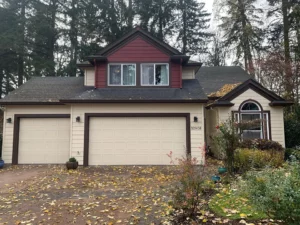
Older homes possess a charm and character that modern constructions often lack, but they also present unique cleaning challenges. These vintage properties feature materials and construction techniques that require careful attention when it comes to exterior maintenance. While it might seem logical to blast away years of dirt and grime with a high-pressure washer, this approach can actually cause irreversible damage to your home’s delicate surfaces.
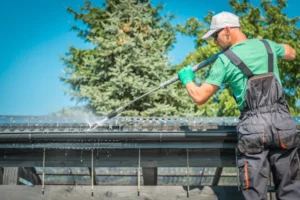
The solution lies in soft washing—a gentle yet effective cleaning method specifically designed for sensitive materials. Unlike traditional pressure washing, soft washing uses low-pressure water combined with specialized cleaning solutions to safely remove dirt, algae, mold, and other contaminants without compromising the integrity of your home’s exterior surfaces.
Understanding why soft washing has become the gold standard for older home maintenance can save you thousands of dollars in repair costs while preserving your property’s historical beauty and structural integrity.
Understanding Soft Washing: A Gentle Approach to a Deep Clean
So, what exactly is soft washing? Unlike power washing, which relies on brute force to remove dirt, soft washing uses a combination of specialized, biodegradable cleaning solutions and low-pressure water application. The process is more like treating a stain than sandblasting it away.
The cleaning solutions are the core of the technique. They are formulated to penetrate deep into the pores of your home’s exterior surfaces, targeting the root cause of the discoloration—organic growth like algae, mold, mildew, and lichens. These solutions effectively kill these organisms, breaking them down and loosening their grip. Once the solutions have had time to work their magic, they are gently rinsed away with water pressure that is often no stronger than that of a garden hose.
The result is a comprehensive clean that not only removes surface-level dirt but also sanitizes the exterior, preventing the rapid return of unsightly and damaging organic growth. It’s a smart, science-based approach that prioritizes the health and longevity of your home’s surfaces.
Why Older Homes Demand Special Care
To understand the benefits of soft washing, it’s important to know the vulnerabilities of materials used in older homes. While durable for their time, these materials can become fragile with age.
Common Materials in Older Homes:
- Wood Siding: Wood is highly susceptible to moisture. High pressure can force water behind the planks, leading to rot and peeling paint. It can also splinter the wood, creating a damaged texture known as “furring.”
- Historic Brick: Older bricks and their lime-based mortar are often softer and more porous than modern ones. High pressure can etch the brick, dislodge mortar, and create cracks, leading to water seepage and structural issues.
- Stucco and Plaster: These finishes become brittle over time. High-pressure washing can easily chip, crack, or blow off entire sections, resulting in costly repairs.
- Slate and Tile Roofing: Historic roofing materials like slate are very fragile. A high-pressure stream can lift, crack, or dislodge tiles, compromising the roof and causing leaks.
- Original Windows and Trim: The glazing putty around old window panes is often brittle. High pressure can blow it out, breaking the seal and allowing moisture to rot the wooden frame.
These materials require a cleaning method that respects their age. Aggressive cleaning risks more than just cosmetic damage; it can compromise your home’s structural integrity.
The Hidden Dangers of High-Pressure Washing
For years, power washing has been the go-to method for exterior cleaning. While it has its place for durable surfaces like concrete driveways, it is a significant liability when used on an older home. The term “power washing” or “pressure washing” refers to the use of water propelled at extremely high pressures, often between 1,500 and 4,000 PSI (pounds per square inch).
Here are the specific dangers this poses to an older property:
- Forced Water Intrusion: The intense force can drive water deep into cracks, behind siding, and around window and door frames. This trapped moisture becomes a breeding ground for mold and mildew inside your walls, leading to wood rot and potential health hazards.
- Surface Erosion and Damage: High pressure acts like an abrasive, stripping away the surface layer of wood, brick, and stone. It can permanently etch siding, leave visible “wand marks,” and remove the protective granules from asphalt shingles, drastically shortening their lifespan.
- Stripped Paint and Finishes: If your home is painted, a power washer can easily strip away paint, especially if it’s already starting to peel. This not only looks terrible but also leaves the underlying material exposed to the elements, accelerating its decay.
- Structural Harm: The sheer force can dislodge siding panels, break window seals, and damage soffits and fascia boards. In the case of old brick, it can erode mortar joints, weakening the wall’s stability.
Simply put, using high pressure on a delicate, older structure is a gamble that rarely pays off. It often creates more problems than it solves, leading to expensive repairs that far outweigh the initial cost of cleaning.

The Soft Washing Process: A Step-by-Step Guide
The soft washing process is precise and ensures a safe, effective clean. The experts at A+ Exterior Cleaning follow a detailed procedure to protect your property and deliver great results:
- Inspection and Preparation: Before cleaning begins, the team inspects your home’s exterior, identifies sensitive areas, notes materials, and assesses organic growth. Delicate plants, outlets, and fixtures are covered to protect them from cleaning solutions.
- Applying Cleaning Solutions: A biodegradable cleaning solution is sprayed with low-pressure pumps, gently coating surfaces like light rain. This ensures even coverage and starts the cleaning process.
- Dwell Time: The solution is left to sit for a specific time, breaking down mold, algae, dirt, and contaminants. The time varies based on material and buildup severity.
- Rinsing: Once the solution works, the surfaces are rinsed with clean water at low pressure, washing away grime and leaving a sanitized surface—no high-pressure needed.
- Final Check: A final walkthrough ensures all areas are cleaned to the highest standard, leaving your property spotless.
Key Benefits of Soft Washing for Your Older Home
Choosing soft washing offers numerous advantages beyond just a clean look:
- Prevents Damage & Preserves Integrity: Soft washing protects your home’s fragile, aged materials from etching, chipping, and water intrusion caused by power washing, preserving its historical character and structural integrity.
- Deeper, Longer-Lasting Clean: Soft washing kills organic growth at its source for a deeper, longer-lasting clean. Unlike power washing that only removes surface growth, soft washing sanitizes, keeping surfaces cleaner two to three times longer.
- Enhances Curb Appeal & Property Value: A clean, well-maintained exterior significantly boosts curb appeal and property value, especially for older homes, by demonstrating proper care.
- Improves Health: Eliminating exterior mold, mildew, and algae reduces spores that affect respiratory health, contributing to a healthier living environment.
- Extends Surface Life: Soft washing gently removes organic growth and avoids abrasive techniques, extending the lifespan of your siding, roof, and paint, saving money on premature replacements and repairs.
A+ Exterior Cleaning’s Expertise in Soft Washing
When it comes to cleaning an older home, experience and expertise are not just recommended—they are essential. An untrained operator, even one using soft wash equipment, can cause damage if they don’t understand the nuances of different building materials and cleaning solutions.
At A+ Exterior Cleaning, we specialize in the art and science of soft washing historic and older properties. Our team is extensively trained to recognize the unique needs of materials like aged wood, soft brick, and stucco. We don’t believe in a one-size-fits-all approach. Instead, we custom-mix our biodegradable cleaning solutions on-site to match the specific requirements of your home’s exterior.
Our commitment to protecting your property is our highest priority. We take meticulous care in preparing your home and landscape before we begin, and our low-pressure techniques ensure a flawless clean with zero risk of damage. We have a long track record of restoring the beauty of older homes throughout the community, helping homeowners preserve their valuable investment for generations to come.
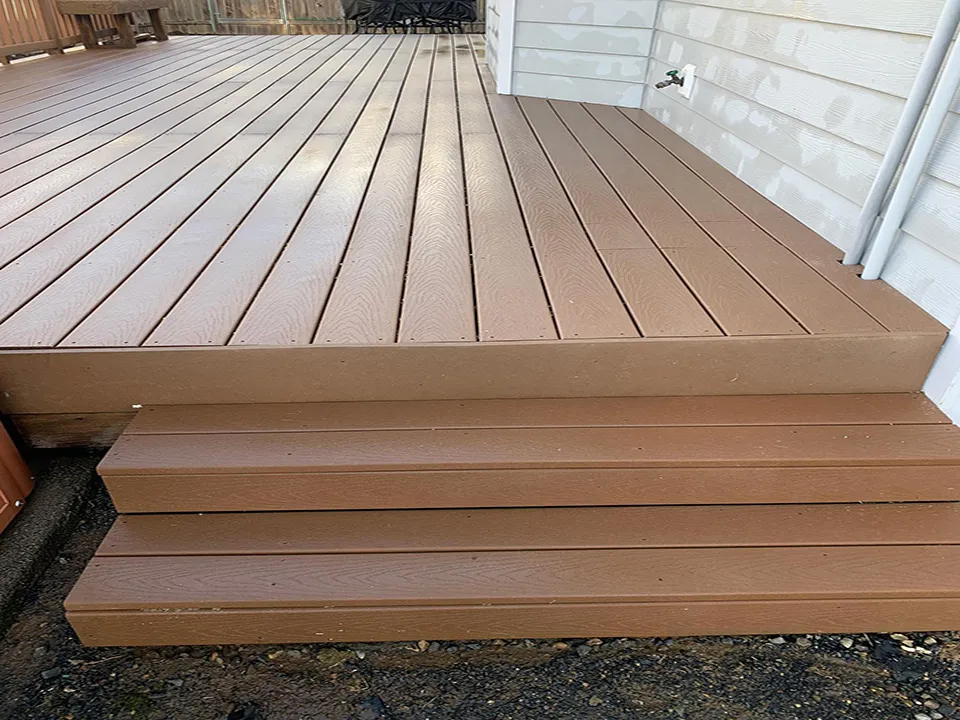
Additional guidance
Soft Washing vs. Pressure Washing: What’s the Difference?
Both pressure washing and soft washing are effective methods for cleaning exterior surfaces, but they work in entirely different ways to achieve their results.
Pressure washing uses high-velocity water, typically delivered at 1,500 to 4,000 PSI, to blast away dirt, algae, mold, and other surface contaminants. It’s ideal for hard, durable surfaces like concrete, brick pavers, and newer vinyl siding, where the sheer force of the water provides a quick and efficient clean. On these surfaces, the pressure alone is often enough to remove buildup and grime without additional cleaning agents. However, the high intensity of pressure washing can sometimes cause damage to more delicate materials, making it less suitable for older or more fragile surfaces.
Soft washing, on the other hand, takes a gentler approach by using significantly lower water pressure, usually below 500 PSI, combined with specially formulated cleaning solutions. Instead of relying on force, soft washing lets the chemistry do the heavy lifting. These cleaning solutions are designed to penetrate and neutralize biological growth, such as mold, algae, lichen, and bacteria, at their source. This method doesn’t just displace growth—it eliminates it entirely, offering a deeper and longer-lasting clean while minimizing the risk of damage to the surface being treated. Soft washing is particularly well-suited for more delicate materials, like older vinyl siding, painted wood, and stucco.
The choice between pressure washing and soft washing ultimately depends on the surface being cleaned and the type of contaminants you’re dealing with. Hard, durable surfaces benefit from the power of pressure washing, while soft washing shines on more delicate surfaces that require a gentler touch. Both methods are essential tools for maintaining your property’s exterior and ensuring its long-term beauty and integrity.
The Science Behind Soft Washing Chemical Solutions
The effectiveness of soft wash cleaning comes down to its chemistry. The cleaning solutions used aren’t harsh industrial chemicals—they’re targeted formulations designed to eliminate the organisms that cause staining and deterioration.
The core active ingredient in most soft washing solutions is sodium hypochlorite (bleach), typically diluted to a concentration between 1% and 3% for exterior surfaces. This compound is highly effective against algae, mold, mildew, bacteria, and lichen. It doesn’t just remove the visible staining—it kills the biological matter at the root, which is why soft washed surfaces stay cleaner for longer than pressure-washed ones.
Alongside sodium hypochlorite, professional soft washing solutions typically include:
- Surfactants: These help the solution cling to vertical surfaces and penetrate porous materials, improving dwell time and effectiveness
- Neutralizers: Added to protect plant life, soil, and surrounding surfaces from chemical exposure
- Mold inhibitors: Slow the regrowth of biological organisms after treatment
When applied correctly, these solutions are safe for wood, painted surfaces, aged masonry, and even roofing materials. The key word is correctly—concentration, dwell time, and rinsing technique all matter. This is why professional application is strongly recommended, particularly on older homes where margins for error are slim.
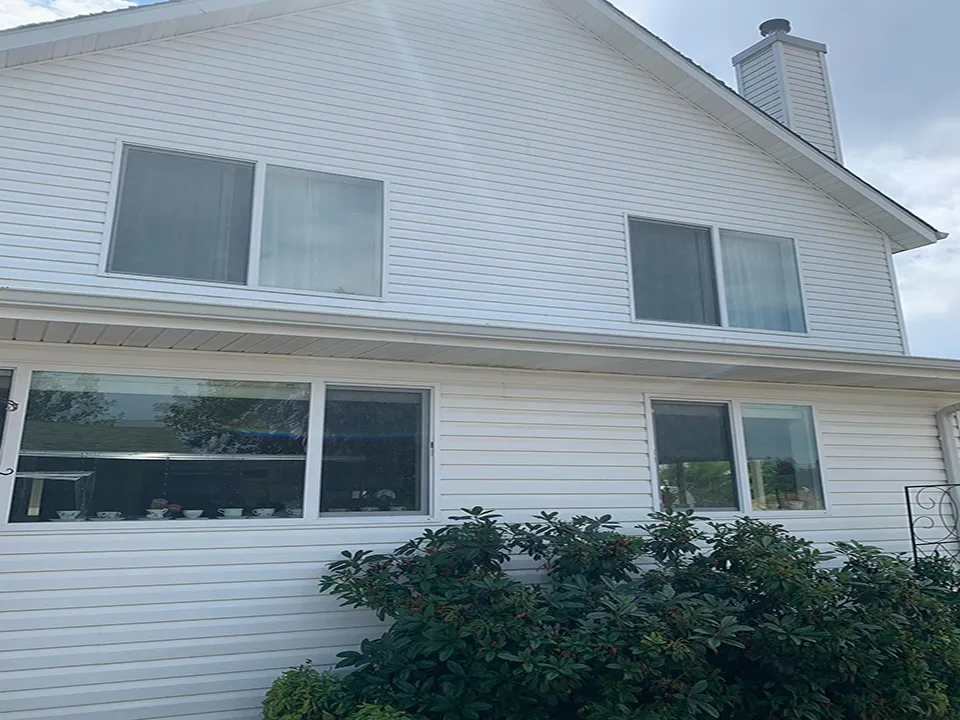
Long-Term Maintenance Costs: Soft Washing vs. Pressure Washing
Cost is a practical concern for any homeowner, and it’s worth looking at both the short and long-term picture.
Pressure washing a home may seem like a cost-effective solution on paper. The equipment is widely available, and the service itself can be inexpensive. But the downstream costs tell a different story—particularly for older homes.
Stripping paint means repainting. Eroded mortar means repointing. Warped siding means replacement. Each of these repairs carries its own price tag, and for a heritage home with original materials, those costs can be significant. In some cases, original materials simply aren’t available for purchase, meaning restoration work involves either costly custom fabrication or accepting a less-than-original result.
Soft washing, by contrast, extends the life of existing materials rather than stressing them. Because it kills biological growth at the source rather than displacing it, treated surfaces remain cleaner for longer—typically two to three times longer than pressure-washed surfaces. That means fewer cleaning cycles over time, and less cumulative wear on the home’s exterior.
When you factor in preservation of original materials, reduced frequency of cleaning, and the cost avoidance of pressure-wash-related repairs, soft washing delivers meaningfully better value for older homes.
Protect Your Home’s Legacy
Your older home is more than just a building; it’s a piece of history filled with character and memories. It deserves a cleaning method that honors its legacy, rather than one that puts it at risk. High-pressure washing is an outdated and dangerous approach for delicate, aged surfaces.
Soft wash cleaning offers a modern, intelligent solution that provides a superior, longer-lasting clean while protecting your home from damage. By eliminating harmful organic growth at its root without abrasive force, soft washing restores your home’s beauty, enhances its value, and extends the life of its exterior.
If you are ready to see your older home shine again without risking its integrity, it’s time to choose the professional, gentle approach. Contact A+ Exterior Cleaning today for a complimentary consultation and discover how our expert soft washing services can safely and effectively revitalize your cherished property.
https://www.google.com/maps?cid=9581861370272832557
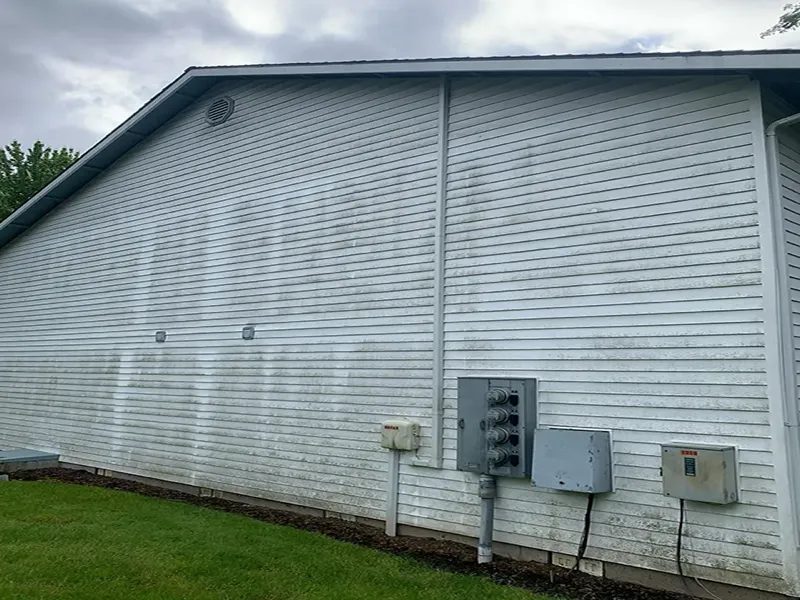
Older exterior materials often benefit from professional soft washing that removes buildup without aggressive pressure.
Want it done safely? A+ offers soft-wash house washing in McMinnville, OR and the surrounding Willamette Valley — low pressure, biodegradable detergents, siding and paint protected.