How Algae, Mold, and Mildew Spread Across Home Exteriors
You notice a dark streak running down your roof. A green patch creeping across your siding. A fuzzy gray film forming on your deck. Easy to dismiss at first—but these aren’t just cosmetic issues. Algae, mold, and mildew are living organisms, and once they take hold of your home’s exterior, they spread fast.
Most homeowners don’t realize how quickly these growths can escalate from a minor nuisance to a serious structural problem. What starts as a small patch of discoloration can compromise roofing materials, weaken siding, and even affect the air quality around your home. Understanding how these organisms grow and spread is the first step toward protecting your most valuable asset.
This guide breaks down what algae, mold, and mildew actually are, how they travel across different surfaces, and what you can do to stop them. We’ll also cover how A+ Exterior Cleaning helps homeowners tackle these issues before they get out of hand.
What Are Algae, Mold, and Mildew?
These three terms often get used interchangeably, but they’re distinct organisms—each with its own behavior and preferred environment.
-
Algae are simple, plant-like organisms that produce chlorophyll. On rooftops, the most common culprit is Gloeocapsa magma, a blue-green algae that leaves behind dark black or gray streaks. It thrives in humid conditions and feeds on the limestone filler found in asphalt shingles.
-
Mold is a type of fungus that grows in multicellular filaments. It appears in a range of colors—black, green, white, or orange—and spreads through microscopic spores. Mold prefers dark, damp environments with poor air circulation, making the shaded sides of your home especially vulnerable.
-
Mildew is also a fungus, but it grows flat on surfaces rather than penetrating them. It typically looks powdery or fluffy and appears white or gray. While mildew is generally less destructive than mold, it’s still a sign that conditions are ripe for more serious growth.
All three organisms share a common weakness: they need moisture, shade, and organic material to survive. Home exteriors—especially in humid or tree-lined areas—provide all three in abundance.
How These Organisms Spread Across Your Home
Algae, mold, and mildew don’t stay put. They’re remarkably efficient at colonizing new surfaces, often spreading faster than homeowners expect.
Wind and Airborne Spores
Mold and mildew reproduce by releasing spores into the air. These spores are microscopic and lightweight, making them easy to carry by even the slightest breeze. Once they land on a suitable surface—say, a damp patch of siding or a section of roof shaded by an overhanging branch—they begin to grow.
Water Runoff
Rain is one of the primary ways algae spreads. Water flowing down a contaminated roof carries algae spores onto gutters, siding, and decks below. This is why you’ll often notice discoloration following a consistent path—tracing the route water takes as it drains from your roof.
Organic Debris
Leaves, dirt, and other organic matter that accumulate on your roof or deck create the perfect feeding ground for mold and mildew. As this debris decomposes, it retains moisture and provides nutrients that accelerate growth. A single clogged gutter or pile of damp leaves can become a launching pad for widespread contamination.
Neglect
Perhaps the most significant factor in how far these organisms spread is inaction. A small algae patch left untreated for a season will cover an entire roof slope within a few years. Mold on siding spreads to window frames and trim. What was once a manageable cleaning job becomes a costly remediation project.
Surfaces Most at Risk for Organic Growth
Every exterior surface on your home is a potential target, but some are far more vulnerable than others.
Roofs
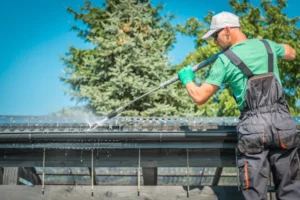
Asphalt shingles are particularly susceptible to algae. The limestone in these shingles serves as a food source for Gloeocapsa magma, and the textured surface traps moisture and debris. Dark streaks running down a roof slope are almost always algae—and if left untreated, they accelerate shingle deterioration. A+ Exterior Cleaning uses soft washing techniques specifically designed for roofs, removing algae without the high-pressure water that can damage shingles.
Siding
Vinyl, wood, and stucco siding all face organic growth challenges. Vinyl siding is relatively resistant but isn’t immune, especially in shaded or north-facing areas. Wood siding absorbs moisture readily, making it highly susceptible to mold and mildew. Stucco’s porous surface is a breeding ground for both. Regular soft washing or low-pressure cleaning keeps siding clean and extends its lifespan.
Decks and Patios
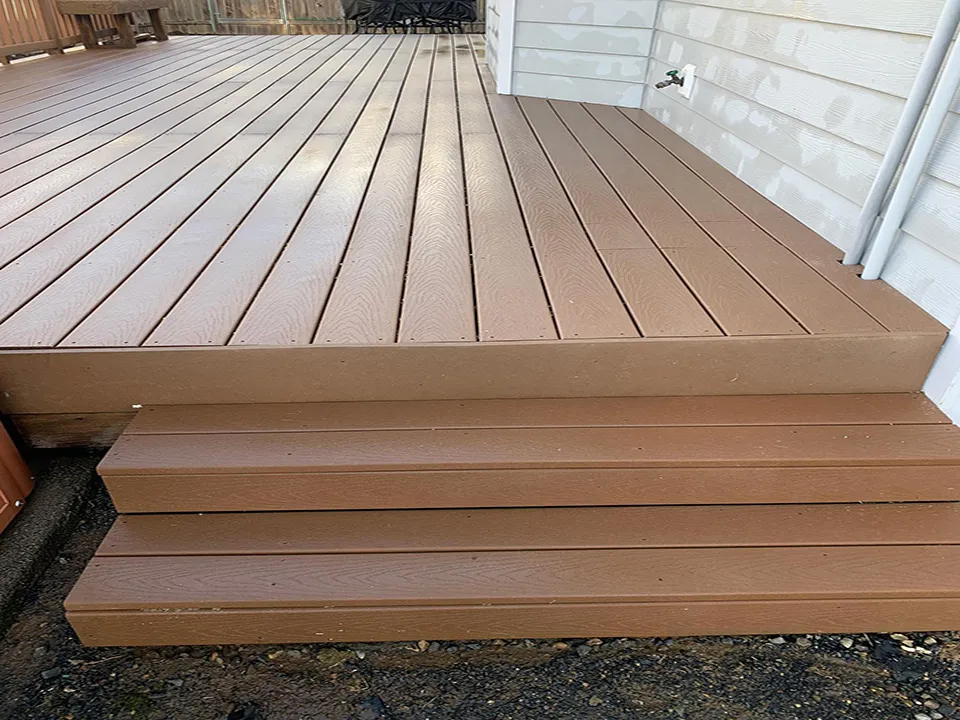
Horizontal surfaces like decks and patios collect rainwater, debris, and moisture—ideal conditions for mold and mildew. Wood decking is especially at risk, as mold can penetrate the grain and begin breaking down the material beneath the surface. A+ Exterior Cleaning offers deck washing services that remove organic buildup without splintering or damaging the wood.
Gutters and Downspouts
Gutters filled with leaf litter and standing water are prime real estate for algae and mold. When gutters overflow or become blocked, water spills onto siding and foundation areas—spreading contamination to surfaces that would otherwise stay dry. Keeping gutters clean is one of the simplest ways to reduce organic growth across your entire home exterior.
The Consequences of Ignoring Algae, Mold, and Mildew
Putting off exterior cleaning might seem harmless in the short term, but the long-term consequences can be significant.
Aesthetic Damage
The most obvious impact is visual. Dark stains, green patches, and gray streaks dramatically reduce your home’s curb appeal. For homeowners planning to sell, this kind of visible deterioration can affect perceived value before a buyer even steps inside.
Structural Damage
Algae feeding on asphalt shingles causes them to age prematurely. Mold and mildew on wood siding can lead to rot, which compromises the structural integrity of the material itself. Once moisture penetrates beneath the surface, repairs become far more extensive—and expensive—than a simple exterior cleaning would have been.
Health Hazards
Mold spores don’t stay outside. They can enter your home through windows, doors, and ventilation systems, triggering allergic reactions and respiratory issues—particularly in children, the elderly, and those with asthma or compromised immune systems. Addressing mold on your home’s exterior is a proactive step toward maintaining healthy indoor air quality as well.
Prevention Tips to Keep Your Home Exterior Clean
Consistent maintenance is far more cost-effective than reactive repairs. Here are practical steps to reduce the likelihood of algae, mold, and mildew taking hold.
-
Schedule regular exterior cleanings. Annual or bi-annual professional cleaning removes organic growth before it has a chance to spread. A+ Exterior Cleaning offers routine maintenance plans tailored to your home’s specific needs.
-
Trim overhanging trees and shrubs. Shade is a key enabler of mold and mildew. Pruning branches that block sunlight and trap moisture dramatically reduces growth potential on roofs and siding.
-
Improve drainage around your home. Poor drainage leads to standing water near your foundation and on flat surfaces. Ensure gutters are clear, downspouts direct water away from the home, and patio surfaces are properly graded.
-
Clear debris regularly. Don’t let leaves, pine needles, or dirt accumulate on your roof, deck, or in gutters. These materials retain moisture and provide nutrients for organic growth.
-
Apply protective treatments. Some surfaces can be treated with algae- or mold-resistant coatings after cleaning. These treatments slow recolonization and extend the time between cleanings.
How A+ Exterior Cleaning Can Help
Knowing what you’re dealing with is one thing—having the right tools and techniques to address it is another.
A+ Exterior Cleaning specializes in removing algae, mold, and mildew from all types of home exterior surfaces. Their services include soft washing, which uses low-pressure water combined with eco-friendly cleaning solutions to safely treat roofs, siding, and delicate surfaces; pressure washing, which is ideal for tougher surfaces like concrete driveways and brick; and targeted organic growth treatments that kill existing spores and inhibit regrowth.
Their team assesses each property individually, identifying the highest-risk surfaces and recommending a cleaning approach that’s effective without causing unnecessary damage. For homeowners looking to stay ahead of the problem, A+ Exterior Cleaning also offers preventative maintenance programs—ensuring your home stays clean season after season.
Don’t Wait for the Problem to Grow
Algae, mold, and mildew don’t announce themselves—they spread quietly until the evidence becomes impossible to ignore. By that point, the damage to your roof, siding, and deck may already be significant. Regular maintenance and early intervention are the most cost-effective ways to protect your home’s exterior, preserve its value, and keep your family safe.
A+ Exterior Cleaning is ready to help. Whether you’re dealing with stubborn roof staining, a mold-covered deck, or green growth creeping across your siding, our team has the experience and equipment to restore your home’s exterior to its best condition. Contact A+ Exterior Cleaning today for a free consultation or quote—and take the first step toward a cleaner, healthier home.
https://www.google.com/maps?cid=9581861370272832557