How Exterior Cleaning Helps Prevent Wood Rot and Siding Damage
Your home takes a beating every single day. Rain soaks into wood fibers. UV rays beat down on siding. Mold creeps into corners you can’t easily see. Over time, these forces don’t just make your home look tired—they quietly eat away at its structural integrity.
The good news? Most of this damage is preventable. Regular exterior cleaning removes the harmful buildup that, left unchecked, leads to costly repairs and lasting structural issues. It’s one of the most cost-effective ways to protect your biggest asset.
At A+ Exterior Cleaning, we’ve seen firsthand what neglect can do to a home—and what consistent, professional cleaning can prevent. This guide walks you through everything you need to know about protecting your home’s exterior, from understanding the root causes of wood rot and siding damage to knowing exactly how often you should be scheduling a clean.
What Causes Wood Rot and Siding Damage?
Wood rot and siding damage rarely happen overnight. They’re the result of prolonged exposure to a combination of damaging elements that chip away at your home’s exterior over months and years.
Moisture
Moisture is the primary culprit. When water penetrates wood or seeps behind siding, it creates the perfect environment for fungal growth—the organism responsible for rot. Even small amounts of retained moisture, from morning dew or light rainfall, can cause serious issues if they’re never fully drying out.
Organic Debris
Organic debris compounds the problem. Leaves, dirt, and pollen that accumulate on siding or in the gaps around wood trim hold moisture against your home’s surface. This sustained contact accelerates decay and gives mold and mildew the foothold they need to spread.
Mold and Mildew
Mold and mildew are more than cosmetic concerns. Once established, they break down the material they colonize, weakening wood fibers and degrading siding materials like vinyl and fiber cement. They also stain surfaces in ways that become harder and more expensive to remove over time.
UV Exposure
UV exposure plays a role too, particularly with painted surfaces and vinyl siding. Prolonged sun exposure causes paint to peel and siding to become brittle, creating cracks and gaps where moisture can enter.
Seasonal Factors
Freeze-thaw cycles are particularly destructive. Water that has seeped into small cracks expands as it freezes, widening those cracks and accelerating structural damage. What starts as a hairline crack in fall can become a significant problem by spring.
The Hidden Costs of Neglecting Exterior Maintenance
Skipping routine exterior maintenance might feel like a reasonable way to save money in the short term. But the financial reality of deferred maintenance tells a different story.
Expensive Repairs
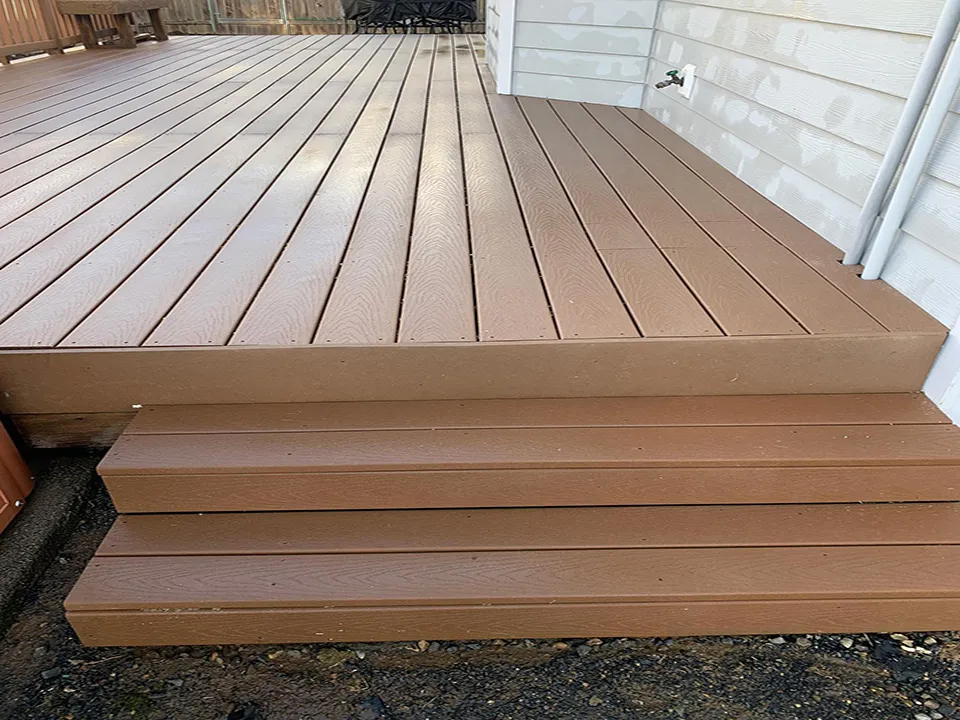
Wood rot repairs are costly. Replacing rotted wood on fascia boards, window frames, or structural elements can easily run into the thousands of dollars—and that’s before secondary damage, like water infiltration into interior walls or insulation. Siding replacement is similarly expensive, with full exterior re-siding projects often exceeding $10,000 depending on materials and home size.
Structural Risks
Wood rot that goes undetected long enough can compromise load-bearing elements, turning a maintenance issue into a safety concern. Moisture intrusion behind siding can lead to mold growth inside walls, creating health hazards and requiring professional remediation.
Property Value Impact
A home with visibly damaged siding, peeling paint, or dark mold streaks signals to potential buyers that the property hasn’t been well maintained. That perception—whether accurate or not—translates into lower offers and longer time on the market.
Proactive exterior cleaning costs a fraction of reactive repairs. It’s the difference between a scheduled service call and an emergency contractor visit.
How Regular Exterior Cleaning Prevents Damage
The science behind exterior cleaning is straightforward: remove harmful buildup before it has the chance to cause damage.
When mold, mildew, algae, and dirt are regularly cleared from your home’s surfaces, they can’t accumulate to the point where they begin breaking down materials. Cleaning also eliminates moisture-retaining debris that sits against wood and siding, allowing surfaces to dry properly after rain or humidity.
Softwashing: A Gentle, Effective Method
One of the most effective methods for protecting exterior surfaces is softwashing—a low-pressure cleaning technique that uses eco-friendly, biodegradable solutions to kill mold, algae, and bacteria at the source rather than just blasting them away temporarily. Unlike high-pressure washing, softwashing doesn’t risk damaging delicate surfaces like wood siding, painted trim, or older brick.
The cleaning agents penetrate the surface to eliminate organic growth, while the gentle water rinse removes residue without causing erosion or forcing water behind cladding.
This is the approach A+ Exterior Cleaning uses. It’s effective across a wide range of materials, safe for landscaping and surrounding surfaces, and delivers results that last significantly longer than pressure washing alone.
Signs of Wood Rot and Siding Damage to Watch For
Catching damage early is the key to keeping repair costs manageable. Here are the signs worth looking for during a walk around your property.
Early Indicators of Wood Rot
-
Discoloration: Dark staining or a gray, weathered appearance on wood trim, fascia, or decking can indicate early fungal activity.
-
Soft spots: Press gently on wood surfaces around window frames, door frames, and eaves. Healthy wood should feel firm. Soft or spongy areas suggest rot has begun.
-
Cracking or flaking: Surface cracks that go beyond normal weathering, particularly with discoloration, often point to wood losing structural integrity.
Common Signs of Siding Damage
-
Warping or buckling: Siding pulling away from the wall or rippling across the surface may have moisture trapped behind it.
-
Peeling paint: Paint that’s peeling or blistering is a reliable sign that moisture is moving through the underlying material.
-
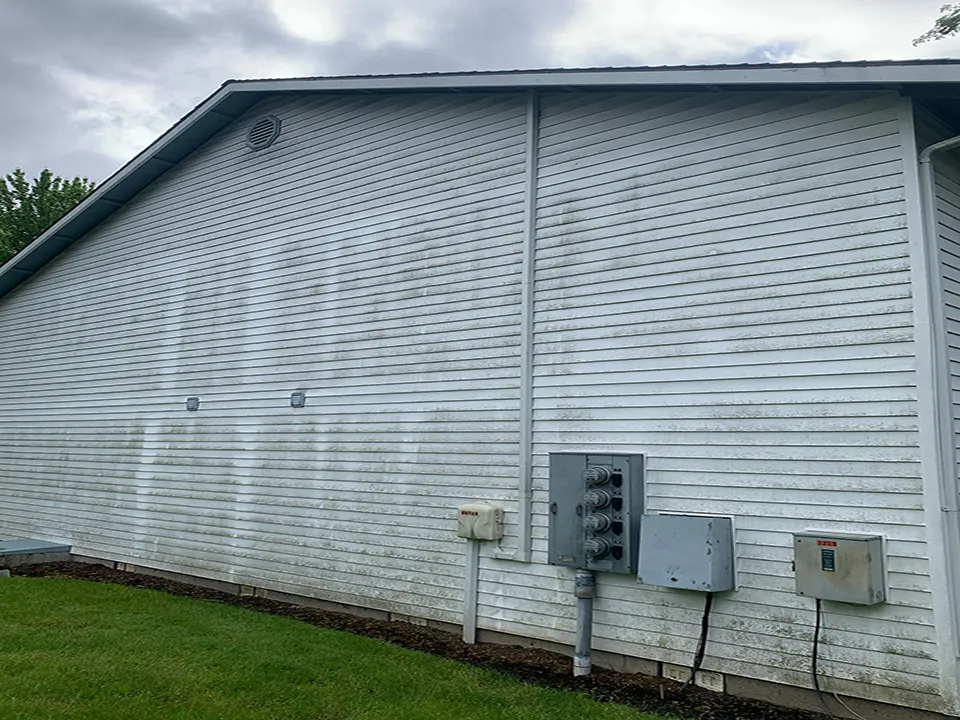
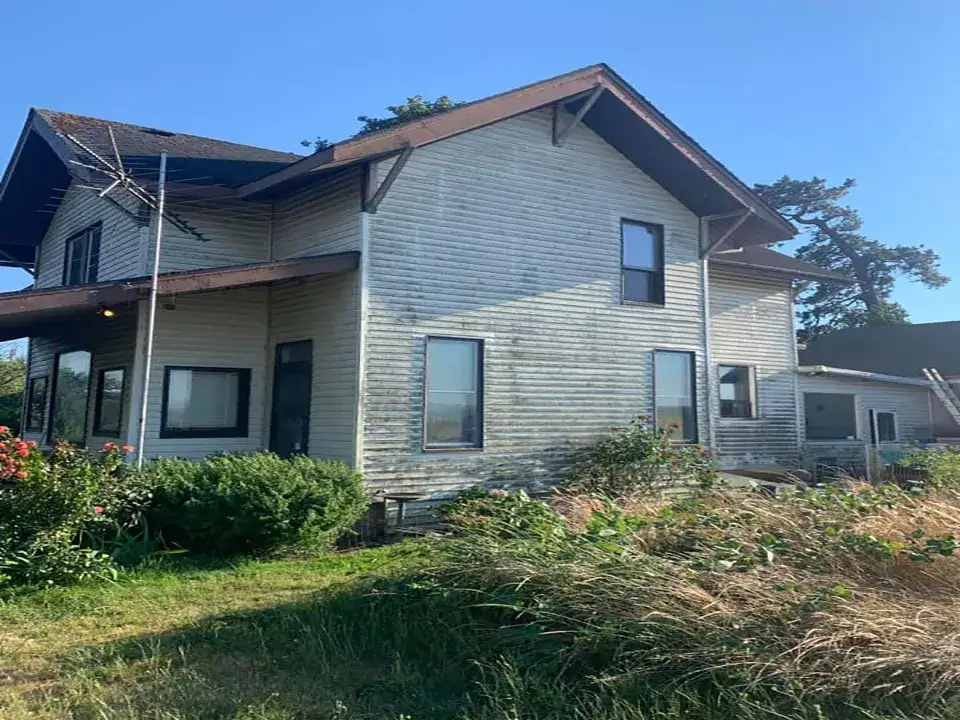
Mold and algae streaks: Dark vertical streaks or green patches on siding indicate biological growth that will continue to spread if left untreated.
A trained eye during regular professional exterior cleanings can spot these warning signs early. A+ Exterior Cleaning technicians help homeowners address issues before they escalate.
The A+ Exterior Cleaning Process
Not all exterior cleaning services are created equal. Techniques, products, and equipment make a significant difference in both the effectiveness of the clean and the long-term protection it provides.
A+ Exterior Cleaning uses professional-grade softwashing equipment and eco-friendly cleaning solutions designed to be tough on organic buildup but gentle on surfaces and surrounding plant life. Every job begins with a thorough assessment of the home’s exterior materials and condition.
Tailored Approach for Different Surfaces
-
Wood siding and trim: Low-pressure application prevents water intrusion and surface erosion.
-
Vinyl siding: Softwashing lifts staining and kills mold without dulling the finish.
-
Brick and masonry: Targeted cleaning removes efflorescence and biological growth without etching the surface.
-
Painted surfaces: Treated carefully to preserve the paint layer while eliminating mold and mildew beneath it.
The result is a cleaner home where organic growth has been eliminated, surfaces can breathe and dry properly, and materials are protected from premature degradation.
How Often Should You Clean Your Home’s Exterior?
The right cleaning frequency depends on local climate, tree cover, and exterior materials.
As a general rule, most homes benefit from professional exterior cleaning once a year. Homes in humid climates or heavily shaded areas may need cleaning every six months.
Seasonal Cleaning Framework
-
Spring: Post-winter clean removes salt residue, algae, and accumulated debris.
-
Fall: Cleaning before temperatures drop removes organic debris before wet season and freeze-thaw cycles.
-
Summer: Spot checks and targeted cleaning of shaded or moisture-prone areas maintain growth control between full cleans.
A+ Exterior Cleaning offers flexible scheduling and service plans designed to keep your home protected year-round.
Protect Your Home Before Problems Start
Wood rot and siding damage are largely avoidable. With the right cleaning routine, you can remove conditions that allow damage to develop—saving thousands in repairs and preserving home value and appearance.
A+ Exterior Cleaning makes the process simple, safe, and effective, providing expertise, equipment, and eco-friendly solutions to protect your home’s exterior.
Ready to get started? Schedule your consultation or book a cleaning service with A+ Exterior Cleaning today.
https://www.google.com/maps?cid=9581861370272832557