How Often Should You Pressure Wash Your Driveway, Patio, and Walkways?
Your driveway serves as the first impression visitors get of your home, while your patio provides the foundation for outdoor gatherings and relaxation. These high-traffic areas endure constant exposure to dirt, grime, weather elements, and foot traffic, making regular maintenance essential for both aesthetics and functionality.
Pressure washing has become one of the most effective methods for maintaining these exterior surfaces, but determining the right frequency can be challenging. Too little cleaning allows buildup that can damage surfaces over time, while excessive pressure washing may cause unnecessary wear or waste resources.
Understanding the optimal pressure washing schedule for your specific property requires considering multiple factors, from climate conditions to surface materials. This comprehensive guide will help you establish a maintenance routine that keeps your driveway, patio, and walkways looking their best while protecting your investment in your home’s exterior.
General Pressure Washing Frequency Guidelines
Most driveways, patios, and walkways benefit from pressure washing once or twice per year. However, this baseline recommendation varies significantly based on your specific circumstances and environmental conditions.
Annual pressure washing works well for homes in moderate climates with average foot traffic. This schedule prevents major buildup while avoiding over-maintenance. Spring cleaning after winter’s harsh conditions and fall preparation before the dormant season create natural timing for this approach.
Bi-annual pressure washing becomes necessary for properties facing challenging conditions. Homes near busy roads, in high-pollen areas, or with extensive tree coverage often require more frequent attention. Areas with heavy foot traffic from large families or frequent entertaining also benefit from increased cleaning frequency.
Seasonal considerations play a crucial role in timing. Spring pressure washing removes winter salt, debris, and mold growth that accumulated during colder months. Fall cleaning eliminates leaves, organic matter, and summer grime before they settle in during winter dormancy.
Some surfaces may require more frequent spot cleaning between major pressure washing sessions. Oil stains on driveways, algae growth in shaded areas, or high-traffic walkways might need attention every few months to prevent permanent staining or safety hazards.
Key Factors That Influence Pressure Washing Frequency
Climate and Weather Conditions
Regional climate significantly impacts how often you should pressure wash exterior surfaces. Areas with high humidity promote mold, mildew, and algae growth, requiring more frequent cleaning. Coastal properties face salt air exposure that accelerates buildup and corrosion concerns.
Regions with frequent rainfall may seem self-cleaning, but moisture actually contributes to organic growth and can trap pollutants against surfaces. Conversely, dry climates create dust accumulation that requires different cleaning approaches and timing.
Temperature fluctuations affect surface materials differently. Freeze-thaw cycles can worsen existing stains and damage, making prompt cleaning more critical in transitional seasons.
Usage and Traffic Patterns
High-traffic areas naturally require more frequent maintenance. Busy driveways serving multiple vehicles accumulate oil drips, tire marks, and tracked debris more quickly than occasional-use surfaces.
Patios used for regular entertaining, outdoor cooking, or as children’s play areas experience accelerated wear and staining. Pool areas face additional challenges from chlorine exposure, sunscreen residue, and constant moisture.
Pet ownership increases cleaning frequency needs, particularly for walkways and patio areas where accidents occur or pets track in outdoor debris.
Surface Materials and Age
Different materials respond uniquely to environmental exposure and require tailored maintenance approaches.
Concrete surfaces are porous and readily absorb stains, requiring proactive cleaning to prevent permanent discoloration. Older concrete becomes more porous over time, necessitating increased maintenance frequency.
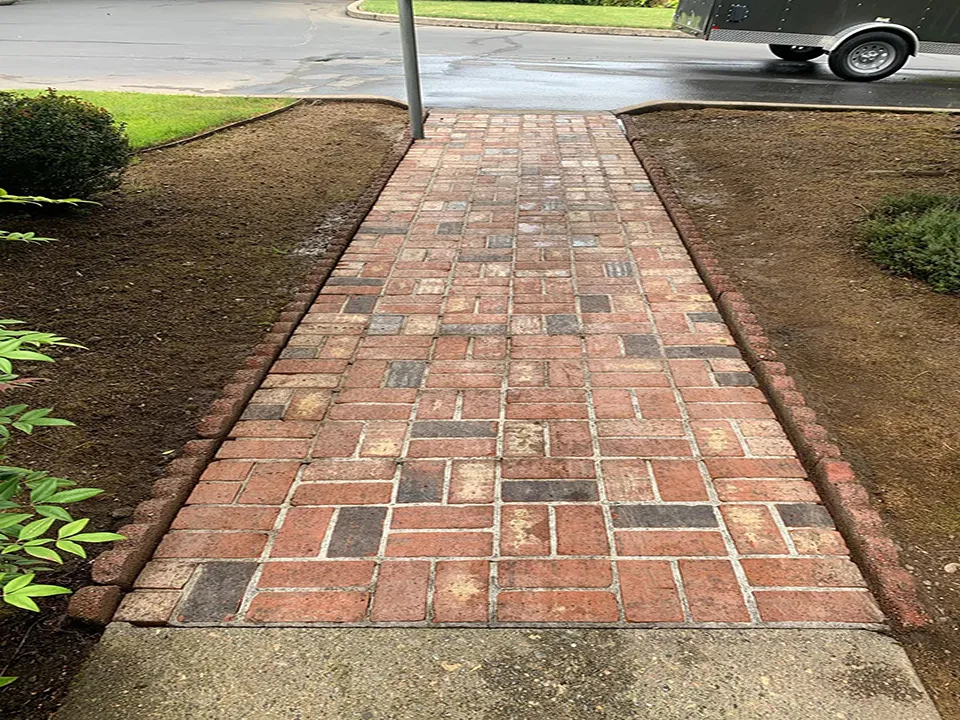
Brick and natural stone surfaces have varying porosity levels depending on the specific material. Softer stones require gentler, more frequent cleaning to prevent damage, while harder materials tolerate less frequent but more intensive cleaning.
Pavers and interlocking stones trap debris in joints and crevices, requiring attention to both surface cleaning and joint maintenance. Polymeric sand between pavers may need reapplication after intensive cleaning.
Stamped or decorative concrete requires careful pressure washing to preserve surface patterns and coloring. These surfaces often need more frequent but gentler maintenance.
DIY vs Professional Pressure Washing
DIY Pressure Washing Considerations
Many homeowners successfully maintain their exterior surfaces using rental or purchased pressure washing equipment. DIY pressure washing offers cost savings and scheduling flexibility while providing immediate satisfaction from visible results.
However, DIY pressure washing requires understanding proper techniques, pressure settings, and cleaning solutions for different materials. Incorrect pressure settings can damage surfaces, while inadequate cleaning leaves problems unresolved.
Equipment limitations may prevent DIY efforts from achieving professional-quality results. Rental equipment often lacks the power and specialized attachments available to professional services, particularly for challenging stains or delicate materials.
Professional Pressure Washing Benefits
Professional pressure washing services bring specialized equipment, experience, and expertise that ensure optimal results without surface damage. Companies like A+ Exterior Cleaning understand the specific requirements of different materials and can adjust techniques accordingly.
Professional services often complete jobs more efficiently than DIY efforts, saving homeowners time and physical effort. They also carry insurance coverage that protects against potential property damage during cleaning.
Experienced professionals can identify potential problems during cleaning, such as structural issues, drainage problems, or surfaces requiring repair before they become major concerns.
Step-by-Step Surface Cleaning Guide
Preparing for Pressure Washing
Successful pressure washing begins with thorough preparation. Clear the area of furniture, vehicles, decorations, and debris. Cover nearby plants and electrical fixtures to prevent damage from cleaning solutions or high-pressure water.
Inspect surfaces for loose materials, cracks, or damage that might worsen during pressure washing. Address minor repairs beforehand to prevent water infiltration that could cause additional problems.
Apply appropriate pre-treatment solutions to stubborn stains, allowing dwell time for chemical action before pressure washing begins.
Driveway Pressure Washing Technique
Start with the lowest effective pressure setting and gradually increase if needed. Begin cleaning from the garage or house end, working toward the street to avoid trapping debris in cleaned areas.
Use a wide spray pattern for general cleaning and switch to narrower patterns for stubborn stains. Maintain consistent distance from the surface to ensure even cleaning without damage.
Pay special attention to oil stains, tire marks, and areas where vehicles regularly park. These spots may require pre-treatment and multiple cleaning passes.
Patio and Walkway Cleaning Methods
Patios often feature multiple materials requiring different approaches. Clean each material according to its specific requirements, adjusting pressure and techniques as needed.
For textured surfaces, use appropriate nozzles that can reach into grooves and patterns without causing damage. Work systematically to ensure complete coverage without missing areas.
Address joint areas between pavers or stones carefully, removing debris while preserving sand or mortar that provides structural stability.
Common Pressure Washing Mistakes to Avoid
Pressure and Distance Errors
Using excessive pressure ranks among the most common and damaging mistakes in pressure washing. High pressure can etch concrete, remove surface materials, and create permanent damage that requires expensive repairs.
Maintaining improper distance from surfaces either reduces cleaning effectiveness or increases damage risk. Too close creates concentrated pressure that can cause surface damage, while too far reduces cleaning power and wastes time.
Chemical and Solution Misuse
Using inappropriate cleaning chemicals can damage surfaces, harm surrounding vegetation, or create safety hazards. Always select products designed for specific materials and applications.
Failing to properly dilute cleaning solutions or allowing excessive dwell time can cause discoloration, surface damage, or chemical residue problems.
Timing and Weather Issues
Pressure wash cleaning during inappropriate weather conditions reduces effectiveness and may cause additional problems. Avoid cleaning during extreme temperatures, high winds, or when rain is expected soon after cleaning.
Rushing the cleaning process often leads to incomplete results and may require repeating the entire job. Allow adequate time for proper preparation, cleaning, and post-cleaning inspection.
Benefits of Regular Pressure Washing Maintenance
Enhanced Curb Appeal and Property Value
Regular pressure washing maintains the visual appeal that contributes significantly to property value. Clean exterior surfaces create positive first impressions for visitors, potential buyers, and neighbors.
Well-maintained driveways, patios, and walkways suggest overall property care and attention to detail. This perception positively influences property assessments and marketability.
Safety and Functionality Improvements
Clean surfaces provide better traction and reduce slip hazards, particularly important for walkways and patio areas. Removing algae, moss, and organic buildup eliminates slippery conditions that could cause accidents.
Regular cleaning prevents drainage problems caused by debris accumulation in cracks and joints. Proper water flow protects foundation areas and prevents ice formation in freezing climates.
Surface Longevity and Protection
Proactive cleaning removes contaminants that can cause permanent staining or surface degradation over time. Oil stains, organic growth, and chemical deposits become increasingly difficult to remove when allowed to accumulate.
Regular maintenance allows early identification and treatment of minor problems before they require major repairs or surface replacement.
Environmental Considerations for Pressure Washing
Water Usage and Conservation
Pressure washing consumes significant amounts of water, making efficiency and conservation important considerations. Professional services often use water recovery systems and efficient techniques that minimize waste.
Timing pressure washing during appropriate weather conditions maximizes effectiveness while reducing water requirements. Avoid cleaning during drought conditions or water restrictions unless absolutely necessary.
Chemical Selection and Disposal
Choose biodegradable, environmentally safe cleaning products whenever possible. These solutions effectively clean surfaces while minimizing impact on surrounding vegetation and water systems.
Proper disposal of cleaning solutions and contaminated water prevents environmental damage and may be required by local regulations. Never allow chemicals to enter storm drains or natural water sources.
Protecting Surrounding Landscapes
Pre-treatment of nearby plants with water helps dilute any chemical exposure during cleaning. Cover sensitive plants and rinse thoroughly after cleaning to remove any cleaning solution residue.
Consider seasonal timing that minimizes stress on surrounding vegetation. Avoid pressure washing during plant growing seasons or drought conditions when possible.
Professional Services with A+ Exterior Cleaning
A+ Exterior Cleaning brings professional expertise and specialized equipment to maintain your property’s exterior surfaces effectively and safely. Their experienced team understands the unique requirements of different materials and environmental conditions.
Professional services from A+ Exterior Cleaning include comprehensive assessment of your property’s specific needs, appropriate equipment selection, and customized cleaning approaches for optimal results. They carry proper insurance coverage and guarantee their work quality.
Regular professional maintenance through A+ Exterior Cleaning can extend surface life, maintain property value, and provide peace of mind that your exterior surfaces receive proper care without risk of damage from improper techniques.
Maintaining Clean and Safe Exterior Surfaces
Maintaining your property’s exterior through regular pressure washing protects your investment and enhances its curb appeal and safety. Consider your climate, usage, and materials when scheduling. Whether DIY or professional, consistent care prevents costly repairs and extends surface life. If your driveways, patios, or walkways haven’t been cleaned in over a year, or show significant buildup, contact A+ Exterior Cleaning for a professional assessment to restore them.
https://www.google.com/maps?cid=9581861370272832557