
How Regular Gutter Maintenance Protects Your Foundation and Siding
Your gutters are easy to ignore—until something goes wrong. Most homeowners don’t think about their gutter system until they notice water pooling around the foundation, paint peeling off the siding, or a damp smell creeping up from the basement. By that point, the damage is already done, and the repair bill is rarely small.
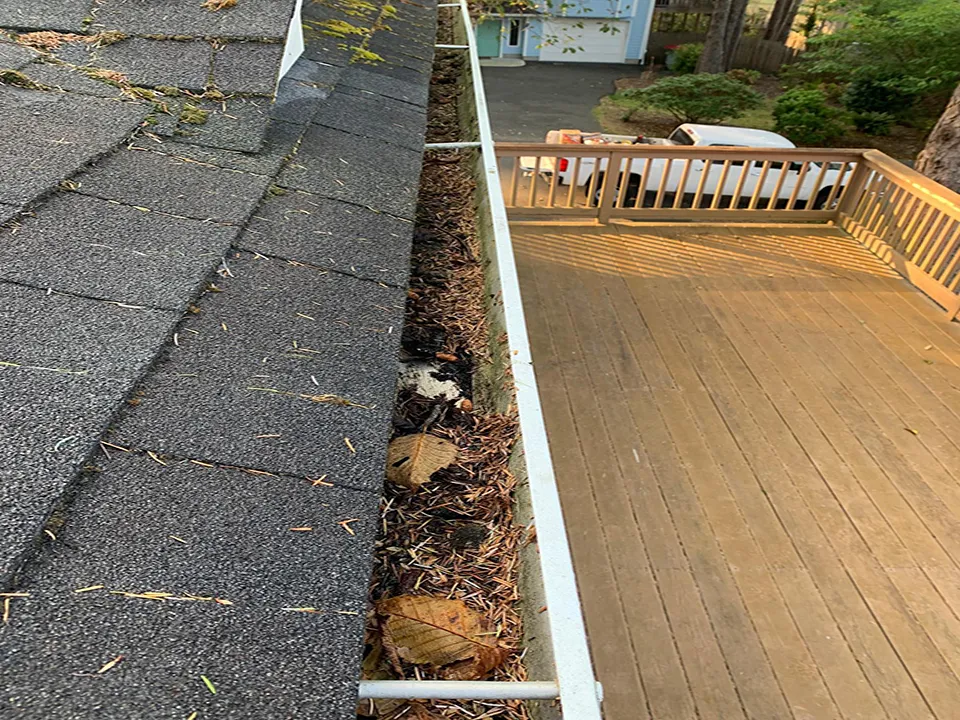
Gutters serve one fundamental purpose: to channel rainwater away from your home. When they’re blocked with leaves, twigs, and debris, water has nowhere to go. It spills over the edges, runs down your walls, and saturates the soil around your foundation. Over time, this seemingly minor problem can trigger a cascade of structural issues that cost thousands of dollars to fix.
This post breaks down exactly how neglected gutters threaten your foundation and siding, what warning signs to watch for, and how a consistent gutter maintenance routine can save you from expensive repairs down the road.
Why Water Is the Biggest Threat to Your Foundation
Water is patient. It doesn’t cause damage all at once—it works slowly, finding the path of least resistance and exploiting it over time.
When gutters overflow, water saturates the soil immediately surrounding your home. This creates a condition called hydrostatic pressure, where the weight of waterlogged soil pushes against your foundation walls. Concrete and masonry are strong under compression, but sustained lateral pressure from saturated soil can cause cracks, bowing walls, and eventual structural failure.
Freeze-thaw cycles make this worse. In climates with cold winters, water that seeps into small foundation cracks expands when it freezes, widening those cracks with each cycle. What starts as a hairline fracture can become a significant structural problem within just a few seasons.
Foundation repairs are among the most expensive home repairs you can face, often running anywhere from a few thousand dollars for minor crack sealing to well over $10,000 for full underpinning or wall stabilization. Keeping gutters clear and functional is one of the most cost-effective ways to avoid ever reaching that point.
How Overflowing Gutters Damage Siding and Exterior Paint
Foundation damage tends to get the most attention, but overflowing gutters are equally destructive to your home’s exterior surfaces.
When water cascades over the edge of a clogged gutter, it doesn’t just fall harmlessly to the ground. It runs down the fascia boards directly behind the gutter, then down the siding below. Wood siding absorbs this moisture and begins to rot. Fiber cement and vinyl siding may be more water-resistant, but sustained moisture exposure can still cause warping, staining, and the breakdown of caulked joints.
Exterior paint takes a beating too. Moisture trapped behind paint causes it to bubble, crack, and peel—not just an aesthetic problem, but a loss of the protective barrier that keeps your siding intact. Once paint fails, the underlying material becomes vulnerable to UV damage, insects, and further water intrusion.
The fascia and soffit boards that run along your roofline are particularly at risk. These are often made from wood or composite materials, and they sit directly in the path of overflow water. Rotted fascia boards are a common consequence of neglected gutters and can compromise the structural integrity of the gutter system itself.
The Link Between Clogged Gutters and Basement Flooding
If you’ve ever dealt with a flooded basement, you know how disruptive and costly it can be. While there are multiple causes of basement water intrusion, clogged gutters are a surprisingly common culprit.
The connection is straightforward. When gutters overflow, water pools at the base of your home rather than being directed to a safe drainage point. This standing water gradually permeates the soil and finds its way through any gap, crack, or porous section of your basement walls or floor.
Downspout placement matters too. Even if your gutters are clean, downspouts that discharge too close to the foundation—typically anything less than four to six feet away—can contribute to water intrusion. Extensions and splash blocks are simple, inexpensive fixes that make a significant difference.
A flooded basement doesn’t just mean wet floors. It can damage electrical systems, ruin stored belongings, destroy insulation, and create the ideal conditions for mold growth. Addressing gutter maintenance as a preventative measure is far simpler than dealing with the aftermath of recurring basement flooding.
Preventing Mold and Pest Infestations Through Proper Drainage
Standing water and damp organic debris are an open invitation for two of the most persistent household problems: mold and pests.
Gutters packed with wet leaves and decomposing material create a moist environment that mold spores thrive in. When that moisture migrates to your fascia, siding, or roof deck, mold can take hold on your home’s structural surfaces. From there, it’s a short path to interior walls, insulation, and living spaces. Mold remediation is both costly and disruptive, and certain mold types pose real health risks.
Pests are equally drawn to clogged gutters. Mosquitoes breed in standing water and only need a small amount to establish a population. Carpenter ants seek out damp, rotting wood—exactly the conditions that gutter overflow creates in your fascia boards. Birds, squirrels, and even rodents have been known to nest in debris-filled gutters, causing additional blockages and damage.
Clean, well-maintained gutters eliminate the conditions that attract these problems in the first place. It’s prevention at its most practical.
Recommended Maintenance Schedules for Your Climate
How often you should clean your gutters depends largely on where you live and what surrounds your property.
As a general rule, gutters should be cleaned at least twice a year—once in late spring and once in late fall after the leaves have dropped. Homes surrounded by mature trees, particularly conifers that shed needles year-round, may require three to four cleanings annually.
In regions with heavy rainfall or significant snowfall, more frequent inspections are worthwhile. After major storms, it’s good practice to do a quick visual check for visible debris accumulation or water overflow marks on your siding.
Beyond cleaning, a thorough inspection should include:
- Checking for sagging sections that indicate improper slope or damaged hangers
- Inspecting joints and seams for separation or leaking
- Examining downspouts for blockages and verifying proper discharge distance from the foundation
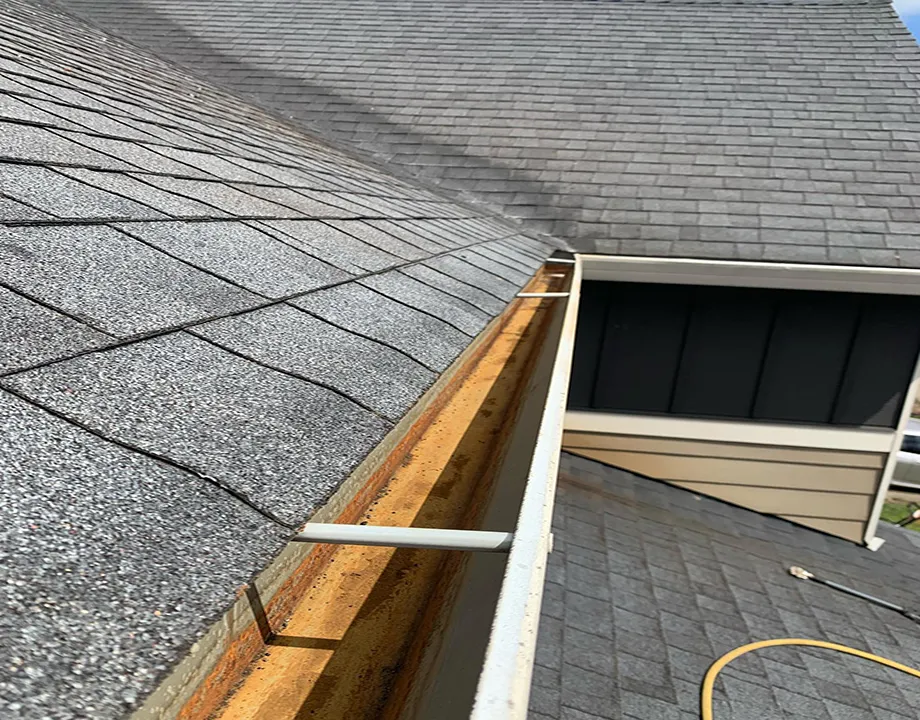
- Looking for rust, corrosion, or holes in metal gutters
- Assessing fascia boards for soft spots, discoloration, or rot
Addressing these issues early keeps small maintenance tasks from becoming major repairs.
DIY Cleaning Tips vs. Professional Safety Standards
Cleaning gutters yourself is entirely possible, but it comes with real considerations around safety and effectiveness.
For single-story homes with accessible rooflines, a stable ladder, work gloves, a scoop or gutter tool, and a garden hose are usually enough to get the job done. Always position your ladder on level ground, and never lean it directly against the gutter—use a stand-off stabilizer to protect the gutter and give you better access. Work in sections, clearing debris by hand before flushing the gutter with water to check for proper flow and identify any low spots.
For two-story homes or steeper rooflines, the risk calculus changes. Falls from ladders are among the leading causes of home improvement injuries, and roofline work on a taller home requires equipment and experience that most homeowners simply don’t have. The cost of a professional cleaning is modest compared to the potential consequences of an unsafe DIY attempt.
There’s also the question of thoroughness. Professionals not only clear the gutters but inspect the entire drainage system, identify early signs of damage, and can flag issues that an untrained eye might miss.
Why A+ Exterior Cleaning Is the Trusted Choice for Homeowners
When it comes to protecting your home’s gutters, siding, and exterior surfaces, A+ Exterior Cleaning brings the expertise and attention to detail that the job demands.
Their team understands that gutter maintenance isn’t just about clearing leaves—it’s about protecting the long-term health of your home. From thorough gutter cleaning and downspout flushing to exterior washing that removes the mold, algae, and grime that compromise your siding and paint, A+ Exterior Cleaning offers a comprehensive approach to home exterior care.
Homeowners who work with A+ Exterior Cleaning benefit from professional-grade equipment, trained technicians who prioritize safety, and the peace of mind that comes from knowing the job has been done right. Rather than waiting for visible damage to prompt action, A+ Exterior Cleaning helps homeowners stay ahead of problems before they become expensive repairs.

The Long-Term Cost Savings of Preventative Care
The math on gutter maintenance is simple. A professional gutter cleaning costs a fraction of what you’d pay to repair a cracked foundation, replace rotted fascia, remediate basement mold, or repaint water-damaged siding. Preventative care is almost always cheaper than reactive repair.
Beyond the direct financial savings, regular maintenance protects your home’s market value. Buyers and inspectors notice signs of water damage and deferred maintenance. A well-maintained exterior—including clean, functional gutters—signals that a home has been cared for, and that perception translates to real dollars.
The best time to address your gutters is before a problem develops. Schedule a cleaning, get a professional inspection, and build a maintenance routine that matches your local climate and the tree coverage around your property. Your foundation, your siding, and your wallet will be better for it.
https://www.google.com/maps?cid=9581861370272832557