
How Exterior Cleaning Protects Your Home From Water Damage
Most homeowners think about water damage only after it’s already happened—a warped floor, a cracked foundation, a wall stained with mold. By then, the repairs can cost tens of thousands of dollars. What’s less obvious is how much of that damage starts on the outside of the home, quietly accumulating over months or years.
The exterior of your home—roof, gutters, siding, deck, and driveway—acts as its first line of defense against the elements. When these surfaces are dirty, clogged, or coated in biological growth, they stop doing their job. Water finds its way in. And once it does, it rarely travels alone.
This guide walks through the specific ways exterior cleaning prevents long-term water damage, from gutters to decking. If you’re a Chicago homeowner, this is especially relevant—freeze-thaw cycles, heavy spring rains, and humid summers create some of the most challenging conditions for exterior maintenance in the country.
How Water Damage Actually Starts
Water damage rarely announces itself with a dramatic leak. More often, it begins with something small: a clogged gutter, a patch of algae on the siding, or a deck board that hasn’t been sealed in a few years. Over time, these minor issues create pathways for moisture to penetrate materials that were never designed to stay wet.
The process typically starts at the top of the home. Rooflines and gutters are the first surfaces to intercept rainfall. When they’re functioning well, water flows predictably away from the structure. When they’re blocked or compromised, water backs up, pools, and seeps into places it shouldn’t.
From there, moisture travels downward—into fascia boards, behind siding, along foundation walls, and eventually into the soil surrounding the home. Each stage of that journey presents an opportunity for structural degradation, mold growth, and costly repair.
Understanding this sequence matters because it reframes exterior cleaning not as aesthetic maintenance, but as structural protection.
Why Gutters Are Your Foundation’s First Defense
Gutters exist for one reason: to move water away from your home’s foundation. When they’re clogged with leaves, debris, and compacted dirt, they can’t do that. Instead, they overflow—pouring water directly down the side of the home and pooling at the base of the foundation.
Repeated saturation of the soil around your foundation causes it to expand and contract with temperature changes. Over time, this movement creates cracks. Water enters those cracks, freezes in winter, expands, and widens them further. It’s a slow cycle, but an expensive one.
The combination of heavy autumn leaf fall and winter freeze-thaw events makes gutter maintenance particularly urgent. Gutters packed with wet debris in late fall can freeze solid, causing ice dams that force water back under roofing materials. The resulting damage—to sheathing, insulation, and interior ceilings—often doesn’t show up until spring.
The recommended maintenance schedule:
- Spring: Clear post-winter debris, check for sagging or separation from fascia
- Late fall: Final clean after peak leaf drop, before first freeze
- After major storms: Spot-check for blockages from branches or buildup
Routine gutter cleaning is one of the highest-ROI maintenance tasks a homeowner can perform. The cost is modest. The alternative—foundation repair, water intrusion remediation, or roof deck replacement—is not.
Soft Washing: Protecting Siding From the Inside Out
Algae, mold, and mildew don’t just look bad on siding—they actively break it down. These biological growths retain moisture against the surface of the siding, preventing it from drying properly after rain. That sustained moisture exposure is what causes wood siding to rot, vinyl to warp, and fiber cement to delaminate over time.
Pressure washing is not always the right solution here. High-pressure water can force moisture behind siding panels, damage seals around windows, and strip paint or protective coatings. Professional soft washing uses low-pressure water combined with cleaning solutions specifically formulated to kill biological growth at the root.
The difference matters. A high-pressure rinse might remove visible algae, but the root systems often remain embedded in the material. Within weeks, regrowth begins. Soft washing eliminates the growth entirely and typically includes treatments that inhibit regrowth for months.
Beyond the structural benefits, removing biological buildup also protects the performance of caulking, paint, and sealants. These materials bond poorly to dirty or organically contaminated surfaces, so cleaning is a necessary precondition for any repainting or resealing work.

Deck and Patio Preservation: The Case for Seasonal Cleaning
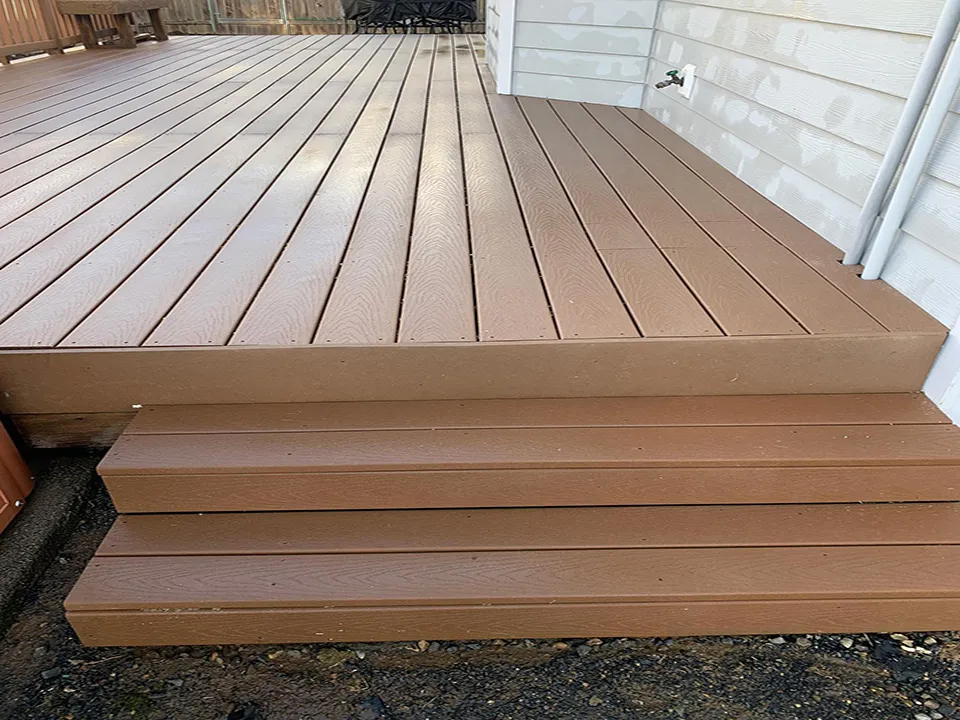
Decks and patios take direct hits from every weather event—rain, UV, snow, and freeze-thaw cycles. Without routine cleaning and sealing, wood decks absorb moisture and begin to rot from within. Composite decking develops mold in its surface texture. Concrete patios crack as water penetrates and freezes.
Pressure washing removes the organic material—algae, pollen, dirt, mildew—that accelerates this deterioration. But cleaning alone isn’t sufficient. After washing, wood decks need time to dry completely before a penetrating sealant is applied. That sealant is what actually blocks moisture absorption in subsequent seasons.
Skipping the sealing step is one of the most common and costly mistakes homeowners make. A washed but unsealed deck is temporarily clean but still fully vulnerable. Sealant typically needs to be reapplied every one to two years, depending on sun exposure and foot traffic.
For concrete patios and driveways, pressure washing removes the grime that traps moisture in surface pores. That moisture freezes, expands the pores, and causes spalling—the flaking and pitting that turns a smooth surface rough over time. Regular cleaning extends the life of concrete significantly and reduces the likelihood of water infiltrating cracks and reaching the substrate below.
A+ Exterior Cleaning: Proactive Property Preservation
A+ Exterior Cleaning takes a systematic approach to exterior maintenance that goes beyond surface-level cleaning. The goal is to identify and address the conditions that lead to water damage before they cause structural problems.
Each service begins with an assessment of the property’s current condition—checking gutters for blockages and proper pitch, looking for signs of biological growth on siding, evaluating decking for early rot or sealant failure. This allows the team to prioritize the work that will have the greatest impact on long-term protection.
Rather than applying the same approach to every surface, A+ Exterior Cleaning uses the appropriate method for each material—soft washing for siding and rooflines, targeted pressure washing for concrete and decking, and careful hand-clearing for gutters and downspouts. This matters because improper cleaning techniques can introduce the very problems they’re meant to prevent.
A+ Exterior Cleaning also offers seasonal scheduling to ensure properties are prepared before winter and properly cleaned after it. That timing is deliberate—fall cleaning removes the debris most likely to cause ice dam formation, while spring cleaning addresses the biological growth that accelerates through winter moisture.
The Financial Case for Preventive Cleaning
The numbers behind preventive maintenance are compelling. Gutter cleaning typically costs between $100 and $250. Foundation crack repair, if caught late, can run from $5,000 to $15,000 or more. Soft washing a home’s exterior costs a fraction of what siding replacement does. Sealing a deck annually is far cheaper than replacing rotted boards or joists.
The underlying principle is straightforward: water damage is almost always cheaper to prevent than to repair. The challenge is that prevention doesn’t produce visible results. You don’t see the foundation crack that didn’t form, or the rot that didn’t spread. The benefit is the absence of a problem—which makes it easy to deprioritize until that problem appears.
What’s well-documented, however, is the compounding cost of deferred maintenance. A minor moisture intrusion that goes unaddressed for a season can require remediation that’s ten times more expensive by the following year. Regular exterior cleaning breaks that cycle by removing the conditions that allow water to gain a foothold.
There’s also a property value dimension. Homes with visible biological growth, stained siding, or deteriorating decks appraise lower and sell more slowly. Regular exterior maintenance preserves curb appeal and signals to buyers that the home has been well cared for—which matters significantly in competitive markets like Chicago’s.

Your Seasonal Exterior Cleaning Checklist
Spring
- Clear gutters of winter debris and check for ice dam damage
- Soft wash siding to remove mold and algae from winter moisture
- Pressure wash driveway and walkways before they dry out from seasonal cracks
- Inspect deck for winter damage; clean and reseal if needed
Summer
- Check gutters after major storms
- Spot-treat any biological regrowth on siding or rooflines
- Inspect caulking around windows and doors for failures
Fall
- Final gutter clean after peak leaf drop, before first freeze
- Pressure wash concrete surfaces before freeze-thaw cycles begin
- Clean and inspect deck; apply sealant if due
- Soft wash north-facing surfaces prone to moss growth
Winter
- Monitor gutters for ice dam formation during freeze-thaw periods
- Clear downspout extensions of ice blockages after storms
- Note any areas of concern for spring cleaning and inspection
Stop Water Damage Before It Starts
The homes that hold their value and avoid major repair bills tend to have one thing in common: their owners treat exterior cleaning as maintenance, not cosmetics. The roof, gutters, siding, and deck aren’t just the face of the home—they’re the systems that keep water where it belongs.
The seasonal demands are real. The window between fall cleanup and winter freeze is narrow, and spring inspection after a harsh winter is non-negotiable. Getting ahead of that calendar with a consistent cleaning routine is the most effective and cost-efficient way to protect a property long-term.
Take charge of your home’s exterior with A+ Exterior Cleaning’s seasonal service packages. Schedule a property assessment today and create a customized maintenance plan to keep your home in top shape—before the next season’s weather takes its toll.
https://www.google.com/maps?cid=9581861370272832557