
Why Gutters Overflow Even When They Don’t Look Clogged
You cleaned your gutters last month. No leaves, no debris, no blockages. So why is water still spilling over the sides every time it rains?
It’s a frustrating and surprisingly common problem. Most homeowners assume that a clean gutter is a functional gutter—but that’s not always the case. Overflow can stem from a range of hidden issues that have nothing to do with debris, and if left unaddressed, they can cause serious damage to your home’s roof, siding, foundation, and landscaping.
Understanding what’s actually causing the problem is the first step toward fixing it. This post breaks down the most common hidden culprits behind gutter overflow, how to spot them, and what you can do to protect your home before the next heavy rainfall. And if you’d rather leave the diagnosing to the professionals, A+ Exterior Cleaning specializes in exactly this—going beyond surface-level cleaning to identify and resolve the deeper issues affecting your gutters.
Common Misconceptions About Gutter Overflow
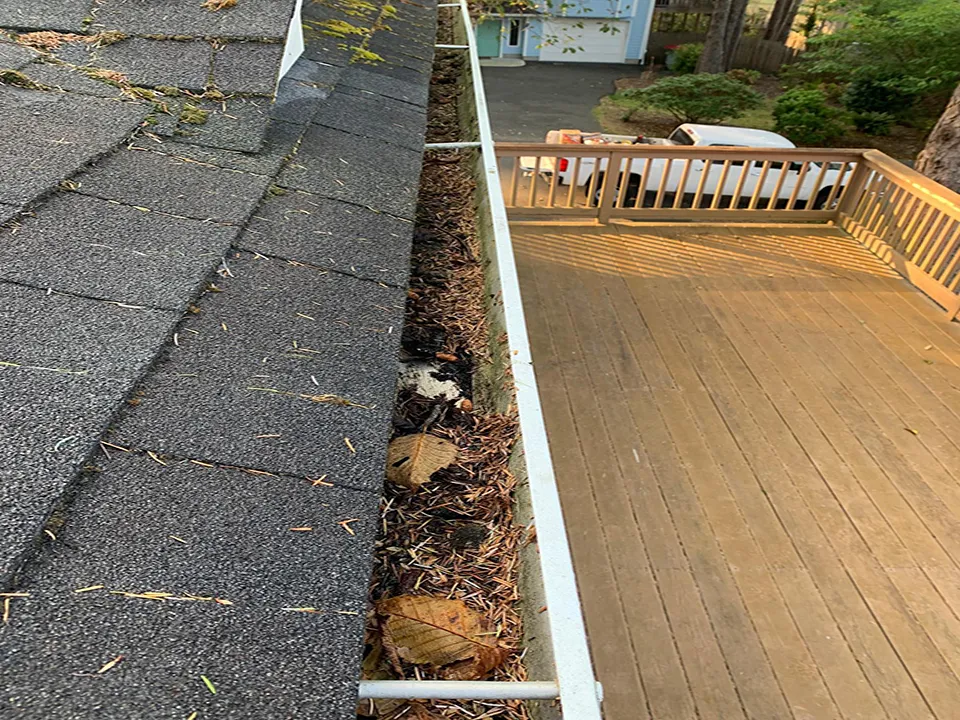
When gutters start spilling over, the instinct is to blame leaves and muck. It makes sense—visible debris is the most obvious cause of blockages. But this assumption leads many homeowners to clean their gutters, declare the job done, and then watch the same overflow happen again the next time it rains heavily.
A clean gutter channel doesn’t guarantee proper water flow. Gutters rely on correct angles, adequate sizing, secure attachment, and clear downspouts to work as intended. If any one of these factors is off, water has nowhere to go except over the edge.
This is where many standard gutter cleaning services fall short. They remove the debris—which is important—but they don’t assess whether the system itself is functioning correctly. A+ Exterior Cleaning takes a more thorough approach, inspecting gutters for structural and design issues that cleaning alone won’t fix.
Hidden Causes of Gutter Overflow
Improper Gutter Pitch
Gutters aren’t meant to sit perfectly level. They need a slight downward slope—typically about a quarter-inch for every 10 feet of gutter—to encourage water to flow toward the downspouts. When this pitch is off, water pools in the low spots instead of draining away.
Over time, gutters can shift due to temperature changes, heavy rain, or simply the weight of accumulated water. Hangers loosen, sections sag, and the pitch that was correctly set during installation gradually changes. The result? Stagnant water that eventually overflows.
This is one of the trickiest issues to catch because the gutters look perfectly intact from the ground. There’s no visible damage, no obvious blockage—just a subtle angle problem that only becomes apparent during a closer inspection.
Undersized Gutters or Downspouts
Not all gutters are built the same, and not all homes have gutters sized appropriately for their roof. Standard 4-inch or 5-inch gutters may handle light rain just fine, but during heavy downpours, they simply can’t move enough water fast enough.
The same applies to downspouts. If a downspout is too narrow, or if too many sections of gutter feed into a single downspout, water backs up quickly. Once the system reaches capacity, overflow is inevitable—regardless of how clean the gutters are.
Homes with steep roof pitches or large roof surface areas are particularly vulnerable to this issue. More surface area means more water funneling into the gutter system, which increases the demand on every component.
Roof Design Challenges
Some roof designs create natural water concentration points. Valleys—the angled junctions where two roof sections meet—channel rainwater from multiple directions into a single stream. When that concentrated flow hits a gutter, it can overwhelm the system in seconds.
Similarly, dormers, extensions, and multi-level roof structures can create unpredictable water patterns. Water doesn’t always land where you’d expect, and gutters positioned under these features may bear a disproportionate share of the load.
In some cases, minor modifications to the roof or the addition of diverters can redirect water more evenly. But identifying these problem areas requires a careful look at how water actually moves across your specific roof—something that’s difficult to assess without professional experience.
Structural Wear and Tear
Gutters don’t last forever. Over years of exposure to heat, cold, moisture, and physical stress, they wear down. Seams separate, joints crack, and the fasteners holding gutters to the fascia board loosen or pull away entirely.
When a section of gutter begins to pull away from the roofline, even slightly, it creates a gap that allows water to escape directly behind the gutter rather than into it. This type of overflow often goes unnoticed because the water runs down the back of the gutter, down the fascia, and into the wall or foundation below—out of sight until the damage becomes significant.
The Risks of Ignoring Gutter Overflow
Overflowing gutters are more than an inconvenience. Left unaddressed, they can cause damage that costs far more to repair than the gutter fix itself.
-
Roof damage is one of the first consequences. When water backs up along the roofline, it can seep under shingles, rot the underlying wood, and create conditions that invite mold and pests.
-
Siding and fascia damage follows closely. Water running down the exterior of a home softens wood, peels paint, and creates entry points for moisture—leading to rot, mold, and structural weakening over time.
-
Foundation problems are perhaps the most serious outcome. When large volumes of water consistently pool at the base of a home, it saturates the surrounding soil and puts pressure on the foundation. Cracks, shifts, and basement flooding can result, all from a gutter issue that seemed minor at first.
-
Landscaping erosion is a less severe but still frustrating consequence. Waterfalls of overflow can wash away soil, damage plants, and erode pathways—undoing carefully maintained outdoor spaces.
The common thread here is that small problems compound. A slightly misaligned gutter pitch today becomes a rotted fascia board next year and a foundation crack the year after. Catching and addressing these issues early is always cheaper than dealing with the fallout.
A+ Exterior Cleaning helps homeowners stay ahead of these risks with proactive inspections and maintenance designed to catch problems before they escalate.
How to Diagnose the Real Problem
Before calling in a professional, there are a few things you can check yourself to get a clearer picture of what might be going wrong.
-
Start with a visual inspection from the ground. Look for sections of gutter that appear to sag or pull away from the roofline. Any visible separation from the fascia board is a red flag.
-
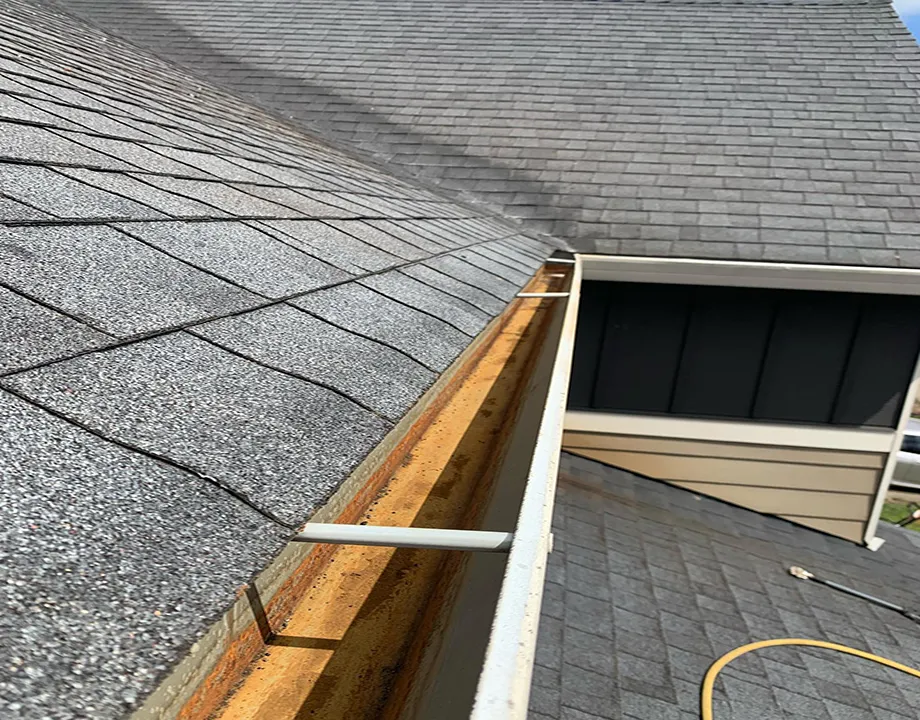
Check for standing water after rain. If water remains in the gutter hours after rainfall, it’s a strong indicator of a pitch problem. You can also run a garden hose along the gutter and watch where water moves—or doesn’t move—to identify low spots.
-
Inspect the downspouts. Make sure each downspout is securely attached and that water flows freely from the bottom. A slow trickle during heavy rain could indicate a blockage inside the downspout, or that the downspout simply isn’t large enough for the volume of water it’s receiving.
-
Look for signs of water damage on the fascia and siding. Water stains, peeling paint, or soft, spongy wood near the roofline suggest that water has been escaping in places it shouldn’t.
These checks can help you identify obvious issues, but many of the problems described above require a closer look than most homeowners can safely achieve. A+ Exterior Cleaning offers professional gutter inspections that assess pitch, hardware sizing, structural integrity, and water flow patterns—giving you a complete picture of your gutter system’s health.
Solutions to Fix Overflowing Gutters
Once you’ve identified the source of the problem, there are several effective solutions depending on what’s causing the overflow.
Re-Pitching Gutters
If standing water and improper slope are the issue, re-pitching the gutters restores proper drainage. This involves loosening the fasteners, adjusting the angle of the gutter run, and resecuring everything at the correct pitch. It’s not a complicated job, but it requires precision—even small miscalculations can recreate the problem.
Upgrading Hardware
For homes with undersized gutters or downspouts, upgrading to larger hardware is often the most effective long-term solution. Moving from 5-inch to 6-inch gutters, or adding additional downspouts to reduce the load on existing ones, can dramatically improve the system’s capacity during heavy rain.
Roof Modifications
In cases where roof design is concentrating water in problem areas, adding rain diverters or splash guards can redirect flow more evenly into the gutters. These are relatively simple additions that can make a significant difference.
Regular Maintenance
Consistent cleaning and inspection remain the foundation of a healthy gutter system. Even well-sized, properly pitched gutters can develop issues over time. Scheduling regular maintenance—particularly before and after storm season—keeps small problems from becoming big ones.
A+ Exterior Cleaning provides routine gutter maintenance tailored to each home’s specific needs, ensuring that every component of the system continues to function correctly between visits.

Why Choose A+ Exterior Cleaning?
There’s no shortage of gutter cleaning services, but most focus on removing debris and moving on. A+ Exterior Cleaning takes a different approach—one that prioritizes the long-term health of your gutter system over a quick job.
Their team has the experience and expertise to identify issues that gutter cleaning services miss: subtle pitch problems, undersized hardware, structural wear, and roof-related drainage challenges. Every inspection is thorough, every recommendation is grounded in a genuine understanding of how water moves through a home’s exterior systems.
The goal isn’t just to fix what’s broken today—it’s to prevent what could go wrong tomorrow. For homeowners who want that level of attention and expertise, A+ Exterior Cleaning is the clear choice.
Don’t Wait for the Next Storm to Find Out
Overflowing gutters are rarely a sign that cleaning wasn’t done—they’re usually a sign that something deeper needs attention. Pitch issues, undersized hardware, roof design quirks, and structural wear can all cause overflow even in spotless gutters, and each one carries real risk if left unaddressed.
Take action before the next heavy rain. Contact A+ Exterior Cleaning today for a professional gutter inspection and ensure your home stays protected.
https://www.google.com/maps?cid=9581861370272832557