Why Soft Washing Is the Best Method for Cleaning Older Homes
Owning an older home comes with a particular kind of pride. The craftsmanship, the history, the character baked into every cornice and clapboard—it’s irreplaceable. But maintaining that exterior? That’s where things get complicated.
Many homeowners default to pressure washing when it’s time to clean their home’s exterior. It’s fast, it’s satisfying to watch, and it seems thorough. The problem is that what works well on a modern concrete driveway can cause serious damage to a Victorian-era facade. Older homes demand a gentler approach—and that’s exactly where soft washing excels.
This post breaks down why soft washing has become the preferred cleaning method for older and historic homes. You’ll learn how it works, why it’s safer for aged materials, and how A+ Exterior Cleaning applies it to protect both the appearance and structural integrity of heritage properties.
Soft Washing vs. Pressure Washing: What’s the Difference?
Both pressure washing and soft washing are effective methods for cleaning exterior surfaces, but they work in entirely different ways to achieve their results.
Pressure washing uses high-velocity water, typically delivered at 1,500 to 4,000 PSI, to blast away dirt, algae, mold, and other surface contaminants. It’s ideal for hard, durable surfaces like concrete, brick pavers, and newer vinyl siding, where the sheer force of the water provides a quick and efficient clean. On these surfaces, the pressure alone is often enough to remove buildup and grime without additional cleaning agents. However, the high intensity of pressure washing can sometimes cause damage to more delicate materials, making it less suitable for older or more fragile surfaces.
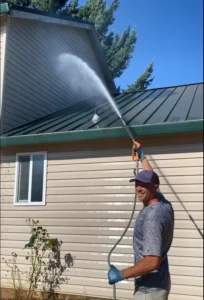
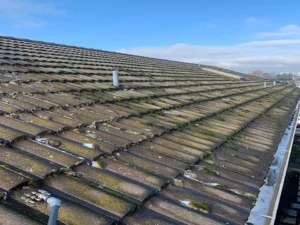
Soft washing, on the other hand, takes a gentler approach by using significantly lower water pressure, usually below 500 PSI, combined with specially formulated cleaning solutions. Instead of relying on force, soft washing lets the chemistry do the heavy lifting. These cleaning solutions are designed to penetrate and neutralize biological growth, such as mold, algae, lichen, and bacteria, at their source. This method doesn’t just displace growth—it eliminates it entirely, offering a deeper and longer-lasting clean while minimizing the risk of damage to the surface being treated. Soft washing is particularly well-suited for more delicate materials, like older vinyl siding, painted wood, and stucco.
The choice between pressure washing and soft washing ultimately depends on the surface being cleaned and the type of contaminants you’re dealing with. Hard, durable surfaces benefit from the power of pressure washing, while soft washing shines on more delicate surfaces that require a gentler touch. Both methods are essential tools for maintaining your property’s exterior and ensuring its long-term beauty and integrity.
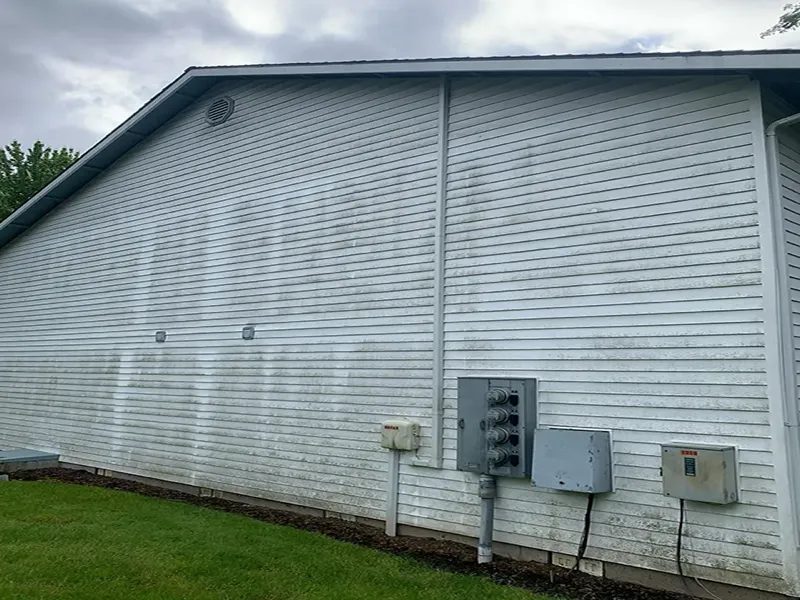
Why Older Homes Require Specialized Exterior Care
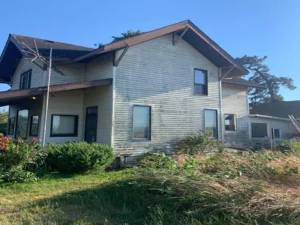
Age changes everything about a building material. Wood dries out and becomes brittle. Mortar between bricks softens and erodes. Paint fades and loses its adhesion. Decorative elements—corbels, dentil molding, window surrounds—grow fragile over decades of weathering.
Applying high-pressure water to these materials is a gamble. Even moderate pressure can:
- Strip paint from wood siding, leading to moisture infiltration and rot
- Erode the mortar between bricks and stone, destabilizing the masonry
- Force water behind clapboards, causing swelling, warping, and mold growth inside walls
- Damage aged stucco, which can crack or delaminate under pressure
- Destroy delicate decorative trim that would be costly—or impossible—to replace
Homes built before the mid-20th century often used materials and construction methods that simply weren’t designed to withstand modern cleaning equipment. That’s not a flaw; it’s just the reality of maintaining a structure that predates pressure washing technology by a hundred years or more.
Soft washing accounts for this vulnerability. The low-pressure delivery is gentle enough for the most fragile surfaces, while the cleaning agents do the heavy lifting.
The Science Behind Soft Washing Chemical Solutions
The effectiveness of soft wash cleaning comes down to its chemistry. The cleaning solutions used aren’t harsh industrial chemicals—they’re targeted formulations designed to eliminate the organisms that cause staining and deterioration.
The core active ingredient in most soft washing solutions is sodium hypochlorite (bleach), typically diluted to a concentration between 1% and 3% for exterior surfaces. This compound is highly effective against algae, mold, mildew, bacteria, and lichen. It doesn’t just remove the visible staining—it kills the biological matter at the root, which is why soft washed surfaces stay cleaner for longer than pressure-washed ones.
Alongside sodium hypochlorite, professional soft washing solutions typically include:
- Surfactants: These help the solution cling to vertical surfaces and penetrate porous materials, improving dwell time and effectiveness
- Neutralizers: Added to protect plant life, soil, and surrounding surfaces from chemical exposure
- Mold inhibitors: Slow the regrowth of biological organisms after treatment
When applied correctly, these solutions are safe for wood, painted surfaces, aged masonry, and even roofing materials. The key word is correctly—concentration, dwell time, and rinsing technique all matter. This is why professional application is strongly recommended, particularly on older homes where margins for error are slim.
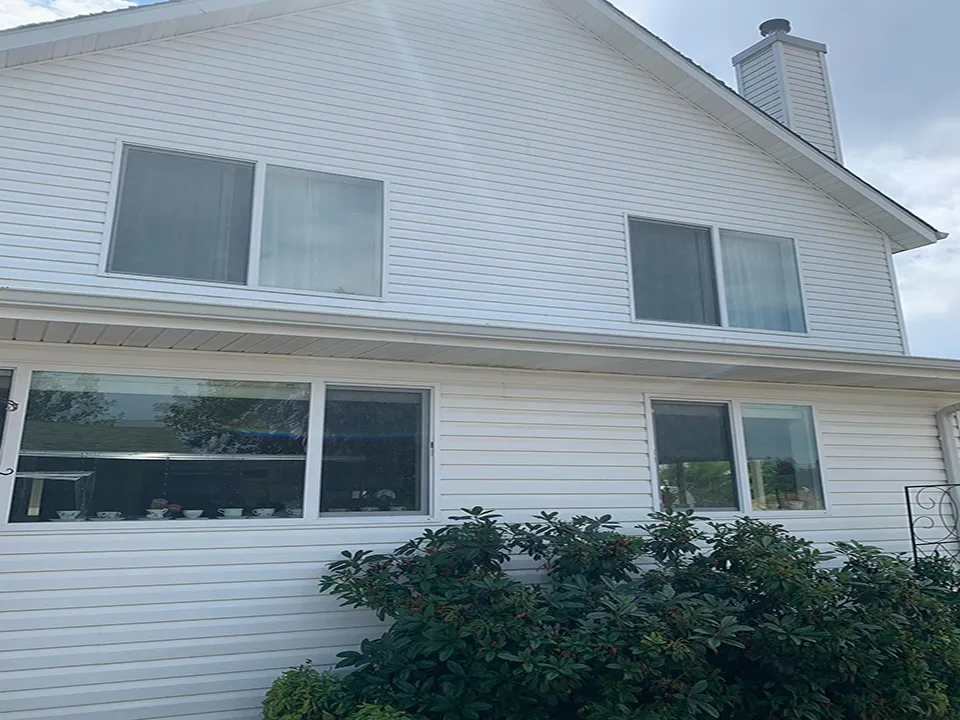
Protecting Historical Integrity With A+ Exterior Cleaning
Historic homes aren’t just old—they’re often irreplaceable. Decorative features, original materials, and period-specific craftsmanship can’t always be recreated if damaged. A professional soft washing company that understands this distinction will approach each project with a level of care that goes beyond surface cleaning.
A+ Exterior Cleaning specializes in exterior cleaning solutions tailored to the unique demands of older and historic properties. Their team understands the difference between a home that simply needs a wash and a heritage structure that requires a precise, methodical approach.
Before any cleaning begins, A+ Exterior Cleaning conducts a thorough assessment of the property’s materials, condition, and any areas requiring special attention. Solution concentrations are adjusted based on surface type. Surrounding landscaping, windows, and sensitive fixtures are protected. And throughout the process, low-pressure delivery ensures that no physical stress is placed on aged materials.
For homeowners with properties listed on historical registries or subject to preservation guidelines, this kind of expertise matters. Improper cleaning methods can void insurance coverage, violate preservation agreements, or result in damage that’s both costly and heartbreaking to repair.
Step-by-Step: How the Soft Washing Process Works
Understanding the process helps set expectations and reinforces why soft washing is worth the investment. Here’s how a professional soft washing service typically unfolds for an older home:
Pre-inspection and surface assessment
The technician walks the property, identifies the materials present, notes any areas of existing damage, and assesses the degree and type of biological growth. This informs the solution mix and application strategy.
Pre-wetting and protection
Surrounding plants, garden beds, and non-target surfaces are pre-wetted with water to dilute any chemical contact. Windows, vents, and electrical fixtures may be covered or masked as needed.
Solution application
The soft washing solution is applied using low-pressure equipment, typically a 12-volt pump system. The solution is worked from the bottom up to prevent streaking, and dwell time is carefully managed based on the surface and contamination level.
Dwell and activation
The solution is allowed to sit on the surface for a specified period—usually 5 to 15 minutes—while it breaks down biological growth and loosens contaminants.
Low-pressure rinse
The surface is rinsed thoroughly with low-pressure water, removing the cleaning solution along with dead biological matter and surface debris.
Post-rinse and neutralization
Surrounding vegetation is rinsed again to neutralize any chemical residue. The technician does a final walk-around to inspect the results and address any areas requiring a second treatment.
The entire process is methodical rather than rushed—which is exactly what older materials require.
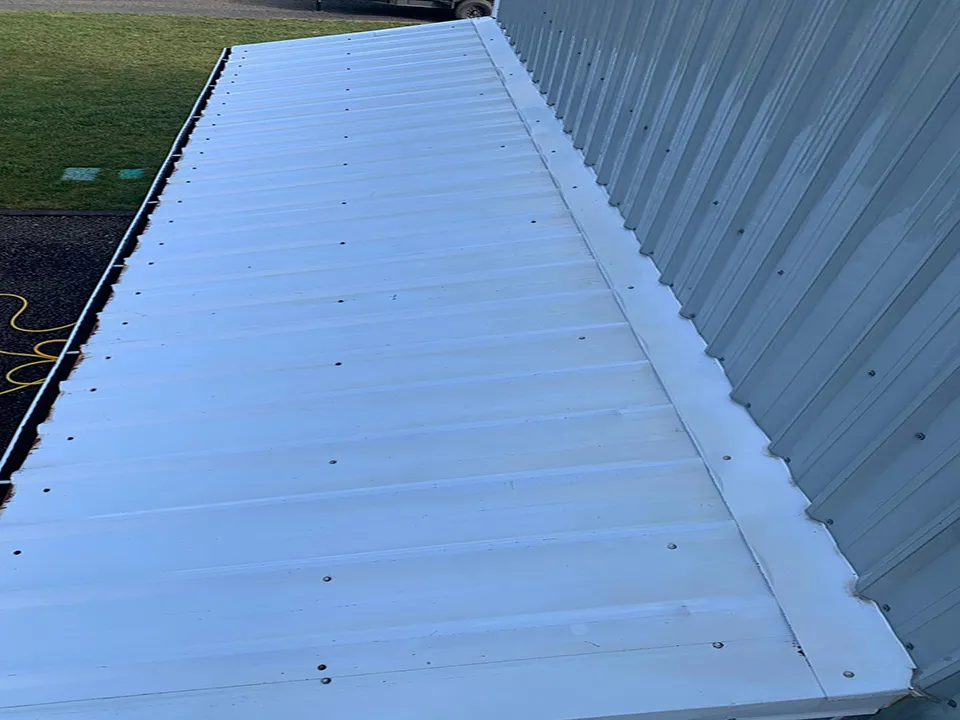
Long-Term Maintenance Costs: Soft Washing vs. Pressure Washing
Cost is a practical concern for any homeowner, and it’s worth looking at both the short and long-term picture.
Pressure washing a home may seem like a cost-effective solution on paper. The equipment is widely available, and the service itself can be inexpensive. But the downstream costs tell a different story—particularly for older homes.
Stripping paint means repainting. Eroded mortar means repointing. Warped siding means replacement. Each of these repairs carries its own price tag, and for a heritage home with original materials, those costs can be significant. In some cases, original materials simply aren’t available for purchase, meaning restoration work involves either costly custom fabrication or accepting a less-than-original result.
Soft washing, by contrast, extends the life of existing materials rather than stressing them. Because it kills biological growth at the source rather than displacing it, treated surfaces remain cleaner for longer—typically two to three times longer than pressure-washed surfaces. That means fewer cleaning cycles over time, and less cumulative wear on the home’s exterior.
When you factor in preservation of original materials, reduced frequency of cleaning, and the cost avoidance of pressure-wash-related repairs, soft washing delivers meaningfully better value for older homes.
Book Your Expert Soft Washing Consultation Today
Older homes deserve care that matches their value—historical, aesthetic, and financial. Soft washing provides a cleaning method that is effective, scientifically sound, and genuinely safe for aged and fragile materials.
If you own an older home and want to maintain its exterior without risking damage, the first step is speaking with professionals who understand both the science and the stakes. A+ Exterior Cleaning offers expert consultations to assess your property and recommend the right approach for your specific materials and conditions.
Reach out to A+ Exterior Cleaning today to book your consultation and take the guesswork out of caring for your home’s exterior.
https://www.google.com/maps?cid=9581861370272832557