How to Identify Early Signs of Algae and Mold on Your Roof
Most homeowners tend to put their roof out of sight and out of mind until a serious issue forces them to pay attention—like a sudden leak during a storm, a shingle that has been visibly dislodged, or an unexpected and costly repair bill. However, some of the most expensive and structurally damaging problems don’t announce themselves so dramatically. Instead, they begin silently, appearing as a faint, dark streak or a small patch of green growth that is all too easy to mistake for harmless dirt or natural weathering.
These subtle signs are often the first indication of algae, mold, and moss on roof, which are far more than just cosmetic blemishes. If left unaddressed, these organisms can methodically eat away at your roofing materials, trap and hold moisture against the surface, and significantly accelerate the kind of structural deterioration that ultimately leads to major, expensive repairs. The good news is that identifying and addressing these growths in their early stages can make a world of difference, saving you money and preserving the integrity of your roof.
This guide walks you through what to look for, why certain roofs are more vulnerable, and how professional cleaning solutions from A+ Exterior Cleaning can help protect your home for the long term.
The Black Streaks on Your Roof Aren’t Just Dirt
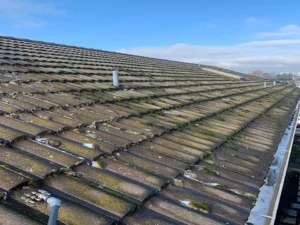
If you’ve noticed dark, discolored streaks running down your roof—especially on the north-facing side—you’re likely looking at Gloeocapsa Magma, a type of cyanobacteria commonly mistaken for mold or simple grime.
This blue-green algae travels through the air and lands on roofing surfaces, where it feeds on the limestone filler in asphalt shingles. Over time, it produces a dark pigmented sheath to protect itself from UV rays, which is what creates those characteristic black streaks. The streaks tend to start small, near the ridge of the roof, and spread downward with rainfall.
Why it matters: Gloeocapsa Magma doesn’t just look bad. As it breaks down the limestone in your shingles, it accelerates their degradation, reducing their lifespan and compromising their protective function. Roofs in humid, wooded areas tend to show signs of this algae within a few years of installation if left untreated.
What to Look For
- Dark gray or black vertical streaks, often starting near the peak of the roof
- Discoloration that appears after rainy seasons and worsens over time
- Staining concentrated on north-facing slopes or shaded areas
Moss, Algae, and Mold: Knowing the Difference
These three terms are often used interchangeably, but they’re distinct organisms that affect your roof in different ways. Knowing which one you’re dealing with helps you respond appropriately.
Algae
Algae is typically the first to appear. It presents as green, brown, or black discoloration and tends to lie flat against the surface. Gloeocapsa Magma is one of the most common types on residential roofs. Algae thrives in moisture and doesn’t need soil to grow—it feeds directly on the minerals in your shingles.
Moss
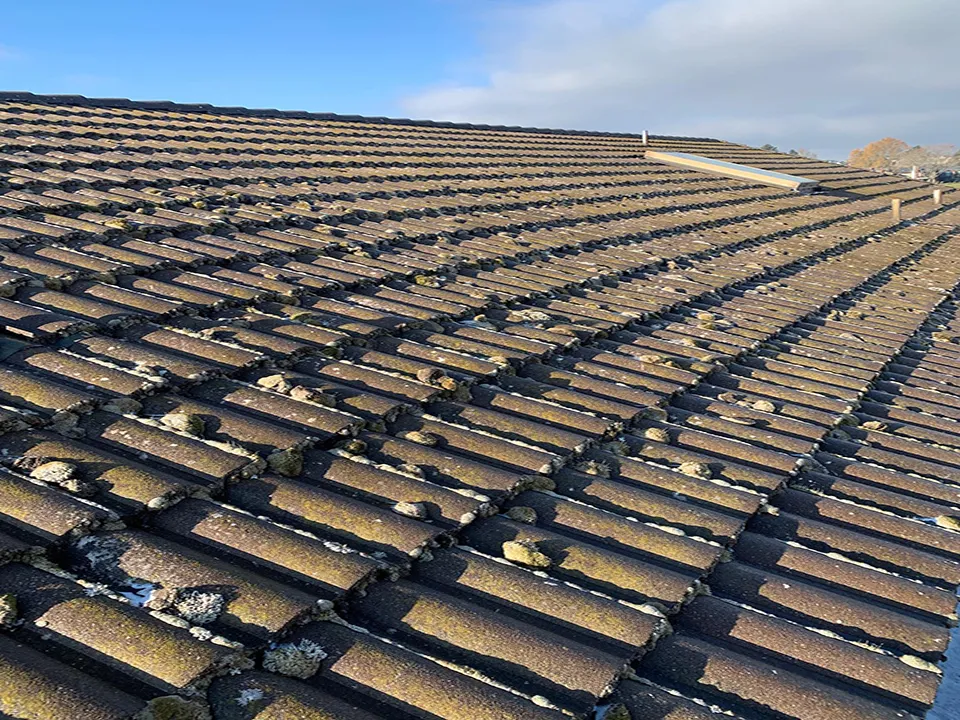
Moss is thicker and more textured than algae, growing in green, cushion-like clusters. It takes root in the gaps between shingles and along ridgelines, and its root-like structures (called rhizoids) physically lift and separate shingles over time. This creates gaps that allow water to penetrate beneath the surface—a direct path to leaks and rot.
Moss is most common on older roofs and in climates with consistent moisture. A single patch can spread across an entire roof slope within a few seasons.
Mold
Mold is the most serious of the three. It often appears as black, green, or white fuzzy patches and can spread both on and beneath roofing materials. In advanced cases, mold compromises the structural integrity of the roof deck itself. It’s also worth noting that mold spores can eventually make their way into a home’s interior through ventilation gaps, creating potential health concerns.
How Humidity and Shade Create the Perfect Environment
Roof organic growth isn’t random. Certain conditions make a roof far more susceptible to algae, moss, and mold colonization—and understanding these factors can help homeowners take targeted preventive action.
Humidity
High humidity provides the sustained moisture that algae and mold need to survive and reproduce. Roofs in humid climates, or those near bodies of water, are particularly vulnerable. After rainfall, shingles in humid environments stay damp for longer periods, giving organic matter more time to take hold.
Shade
Overhanging trees and nearby structures block sunlight from reaching the roof surface. Sunlight is a natural drying agent—without it, moisture lingers on shingles long after rain has passed. Shaded sections of a roof often show organic growth months or even years before the sun-exposed sections.
Debris Accumulation
Leaves, twigs, and other organic debris that collect on the roof create an additional moisture trap. As this material decomposes, it provides nutrients that feed moss and mold growth. Keeping gutters clear and removing debris regularly is a simple step that makes a meaningful difference.
Poor Ventilation
Inadequate attic ventilation traps heat and moisture beneath the roof surface, accelerating the conditions that support mold growth from the inside out. If your roof is showing signs of organic growth alongside issues like ice dams or uneven snow melt in winter, ventilation may be a contributing factor.
Why Pressure Washing Can Make Things Worse
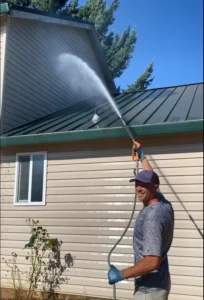
When homeowners spot algae or moss, the instinct is often to blast it away with a pressure washer. It’s fast, widely available, and seems effective. Unfortunately, it’s one of the most damaging things you can do to an asphalt shingle roof.
Asphalt shingles are coated with granules—small, sand-like particles that protect the shingle from UV rays and physical impact. High-pressure water strips these granules away, prematurely aging the shingles and voiding most manufacturer warranties. Even a single pressure washing session can shave years off a roof’s lifespan.
Beyond granule loss, pressure washing forces water beneath shingles and into seams, creating exactly the kind of moisture intrusion it was meant to fix. It also doesn’t address the root cause of the growth—without a treatment that kills the organism at the source, algae and moss return within months.
There’s also the safety factor. Working on a wet, sloped roof with high-pressure equipment is genuinely dangerous for anyone without proper training and equipment.
Professional Soft Washing: The Safer, More Effective Solution
The gold standard for roof cleaning is soft washing—a method that uses low-pressure water combined with specialized biodegradable cleaning solutions to kill algae, moss, mold, and mildew at the source. Unlike pressure washing, it doesn’t damage shingles or force water into vulnerable areas.
A+ Exterior Cleaning specializes in professional soft washing solutions designed specifically for residential and commercial roofs. Their process begins with an inspection to assess the type and extent of organic growth, followed by the application of a cleaning solution that penetrates and eliminates algae, moss, and mold colonies—not just the surface appearance.
The results are longer-lasting than pressure washing because the treatment addresses the biology of the growth, not just the visible staining. A+ Exterior Cleaning also applies preventive treatments that inhibit regrowth for extended periods, giving homeowners a cleaner roof for longer.
Choosing a professional roof cleaning service also means the job is done safely. A+ Exterior Cleaning’s team works with the appropriate safety equipment and follows industry best practices to protect both your roof and the people doing the work.
Protecting Your Roof for the Long Term
Addressing algae and mold when you first notice them is far less expensive than dealing with the damage they cause over time. Here are practical steps to keep your roof in good condition between professional cleanings:
- Schedule annual roof inspections. A professional inspection once a year catches early signs of organic growth, shingle damage, and ventilation issues before they escalate. Late summer and early fall—after peak humidity season—is an ideal time.
- Keep gutters clean and clear. Blocked gutters cause water to back up onto the roof surface, extending the time shingles stay wet. Clean your gutters at least twice a year, and more often if you have overhanging trees.
- Trim overhanging branches. Reducing shade on your roof surface allows sunlight to dry shingles more quickly after rain. It also cuts down on the organic debris that accumulates and feeds moss growth.
- Consider zinc or copper strips. Installing thin strips of zinc or copper along the ridgeline of your roof is a passive, long-term strategy for slowing algae and moss growth. When rainwater runs over the metal, it picks up trace amounts of the mineral, which creates an environment where algae and moss struggle to establish.
- Act early. The moment you notice black streaks, green patches, or fuzzy growth, contact a professional. The earlier organic growth is treated, the less damage it causes and the less it costs to address.
- Work with a trusted cleaning professional. Regular soft washing by a qualified team like A+ Exterior Cleaning extends the life of your roof and keeps it performing as it should. Think of it as routine maintenance, not a one-time fix.
Your roof is one of the most important—and expensive—components of your home. The organisms that grow on it are small, but the damage they cause over time is anything but. Catching them early, treating them correctly, and maintaining a consistent care routine is the most effective way to protect your investment.
https://www.google.com/maps?cid=9581861370272832557