Pressure Washing vs. Power Washing: Which Delivers the Best Results for Your Home?
Most homeowners use “pressure washing” and “power washing” interchangeably. It’s an easy mistake to make—both methods blast away dirt, grime, and buildup using high-pressure water. But the difference between the two can mean the difference between a spotless driveway and a damaged deck.
Knowing which method to use, and when, is especially important for homeowners in Oregon, where the wet climate accelerates mold, moss, and algae growth on exterior surfaces. The wrong cleaning approach can strip paint, gouge wood, or leave your surfaces worse than before.
This guide breaks down everything you need to know—how each method works, which surfaces they’re suited for, common DIY pitfalls to avoid, and why working with a professional like A+ Exterior Cleaning consistently delivers better results.
Pressure Washing vs. Power Washing: The Core Differences
At first glance, these two methods look identical. Both use pressurized water to clean exterior surfaces. The key distinction comes down to one factor: temperature.
Pressure washing uses cold or ambient-temperature water delivered at high pressure. It’s effective for general cleaning tasks—removing surface dirt, dust, pollen, and loose debris from a wide range of surfaces.
Power washing uses heated water, typically between 180°F and 330°F, combined with high pressure. The heat makes it significantly more effective at breaking down tough substances like grease, oil, heavy mold, and deeply embedded grime.
Think of it like washing greasy dishes. Cold water can rinse them, but hot water cuts through the grease far more efficiently. The same principle applies to your home’s exterior surfaces.
The Role of Heat: When Does Temperature Matter?
Heat isn’t always necessary—but when it is, nothing else quite compares.
Hot water power washing excels in situations where:
- Heavy oil or grease stains are present, such as on garage floors or driveways near vehicles
- Stubborn mold and mildew have deeply penetrated a surface
- Commercial or industrial cleaning is required, where sanitation standards are higher
- Chewing gum, sap, or adhesives need to be removed from hard surfaces
For most residential cleaning tasks—siding, fences, patios, and sidewalks—pressure washing with cold water is perfectly sufficient. Adding heat to a deck or painted surface can actually cause more harm than good, raising the risk of warping, cracking, or peeling.
The bottom line: power washing is a powerful tool in the right hands, but it requires professional judgment to apply safely.
Why Oregon Homeowners Benefit from Professional Exterior Cleaning
Oregon’s climate creates a unique set of challenges for homeowners. The long rainy seasons, high humidity, and abundant tree cover create ideal conditions for moss, algae, lichen, and mildew to take hold on roofs, driveways, decks, and siding.
Left untreated, these organic growths don’t just look bad—they cause real structural damage. Moss roots can lift shingles and allow moisture to penetrate roofing materials. Algae makes walkways dangerously slippery. Mildew on siding can work its way beneath the surface and lead to rot.
Regular professional cleaning addresses these issues before they escalate. For Oregon homeowners specifically, annual or bi-annual exterior cleaning is less of a luxury and more of a practical maintenance requirement. The cost of prevention is consistently lower than the cost of repair.
Surface Safety Guide: Choosing the Right Method
Not all surfaces respond the same way to high-pressure water. Using the wrong pressure or temperature on the wrong surface can cause damage that’s expensive to fix. Here’s a quick reference:
Driveways and Concrete
Concrete is dense and durable, making it one of the safest surfaces for both pressure and power washing. For oil stains or deep-set grime on driveways, power washing with heated water is often the more effective choice. Cold pressure washing works well for routine cleaning.
Decks and Wood Surfaces
Wood requires a careful touch. Too much pressure can splinter the grain, and excessive heat can warp or crack boards. Cold pressure washing at a lower PSI setting is generally recommended for wood decks. Soft washing—a low-pressure method that uses cleaning solutions—is sometimes a better option for older or more delicate wood.
Vinyl and Painted Siding
Vinyl siding can handle moderate pressure, but the angle of the spray matters. Directing water upward under the panels can force moisture behind the siding and into the wall cavity. Professionals know to spray downward at a controlled angle. Painted surfaces are similarly sensitive to excessive pressure, which can lift or bubble the finish.
Roofs
Roofs should almost never be pressure or power washed. The high pressure can dislodge granules from asphalt shingles, dramatically shortening their lifespan. Soft washing—which uses a biodegradable cleaning solution applied at low pressure—is the industry-standard approach for roof cleaning.
Patios and Stone Surfaces
Natural stone like slate or sandstone can be porous and prone to cracking under high pressure. Sealed stone or pavers generally handle pressure washing well. When in doubt, start with lower pressure and work up gradually—or call a professional.
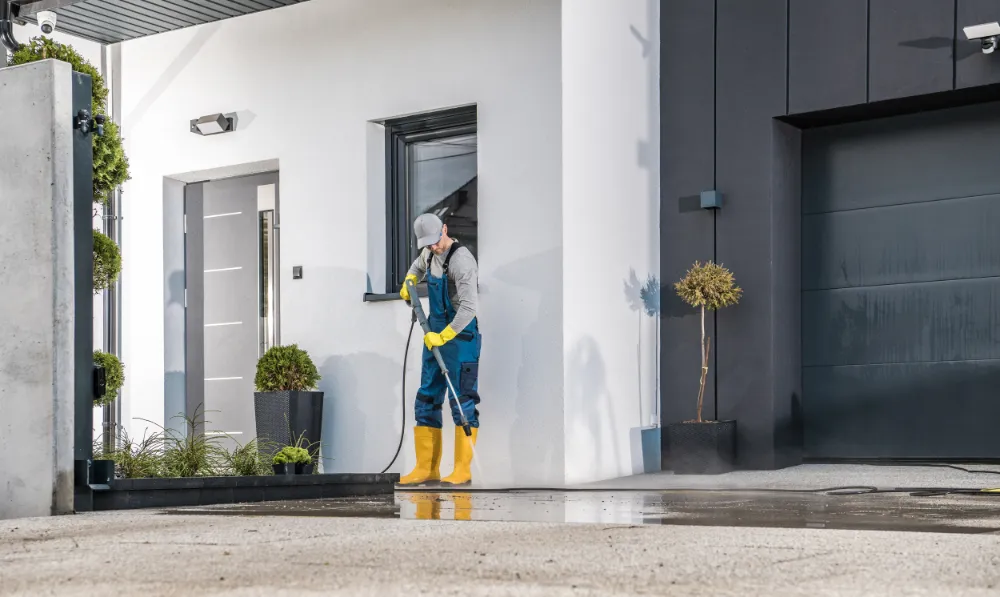
Why A+ Exterior Cleaning Is the Trusted Choice for Oregon Homeowners
Experience matters when high-pressure equipment meets your home. A+ Exterior Cleaning has built a reputation across the Oregon area for reliable, thorough, and surface-appropriate exterior cleaning that protects properties while delivering visible results.
What sets A+ Exterior Cleaning apart:
- Local expertise: Deep familiarity with Oregon’s climate and the specific cleaning challenges it creates—including moss, algae, and lichen removal
- Surface-specific techniques: The right method, pressure, and cleaning solution matched to each surface type
- Professional-grade equipment: Commercial equipment that outperforms consumer-grade pressure washers in both power and precision
- Trained technicians: Staff who understand the nuances of pressure, angle, and chemical application that protect surfaces while maximizing clean results
- Comprehensive services: From driveways and decks to roofs and siding, A+ Exterior Cleaning handles the full exterior of your property
Choosing a local professional means you’re not just paying for equipment—you’re paying for judgment, experience, and accountability.
How Exterior Cleaning Increases Property Value and Curb Appeal
A clean exterior does more than look good. It directly impacts how your property is perceived and valued.
Real estate professionals consistently point to curb appeal as one of the highest-return investments a homeowner can make before listing a property. A freshly cleaned driveway, bright siding, and a moss-free roof signal to buyers that a home has been well-maintained—reducing concerns about hidden problems and supporting a higher asking price.
Even outside of a sale context, clean exteriors contribute to neighborhood pride, reduce HOA compliance issues, and simply make coming home more pleasant. There’s a practical psychological benefit to living in a space that looks cared for.
From a maintenance perspective, the return on investment is straightforward. Regular exterior cleaning extends the life of your siding, roof, deck, and driveway. It prevents the premature deterioration that forces costly replacements. In Oregon’s climate especially, preventive cleaning pays for itself many times over.
The A+ Exterior Cleaning Process: What to Expect
Understanding what a professional cleaning service actually does helps homeowners feel confident in the investment. Here’s how A+ Exterior Cleaning approaches a typical residential job:
- Initial assessment: The team evaluates all exterior surfaces to identify the type and extent of buildup, any areas requiring special care, and the appropriate cleaning method for each surface.
- Surface preparation: Delicate plants, outdoor furniture, and nearby fixtures are protected before any cleaning begins. Windows and entry points are checked to prevent water intrusion.
- Method selection: Based on the assessment, the team selects the right combination of pressure washing, power washing, or soft washing for each area of the property.
- Cleaning application: Eco-friendly cleaning solutions are applied where needed to loosen mold, algae, or organic buildup before the wash begins. This pre-treatment improves results and reduces the pressure required.
- Washing and rinsing: Surfaces are cleaned section by section, with technicians maintaining consistent distance and angle to ensure even results without surface damage.
- Post-cleaning inspection: The team walks through the cleaned areas to confirm quality and address any spots that need additional attention.
- Site cleanup: Any runoff, debris, or displaced material is cleared from the property before the team departs.
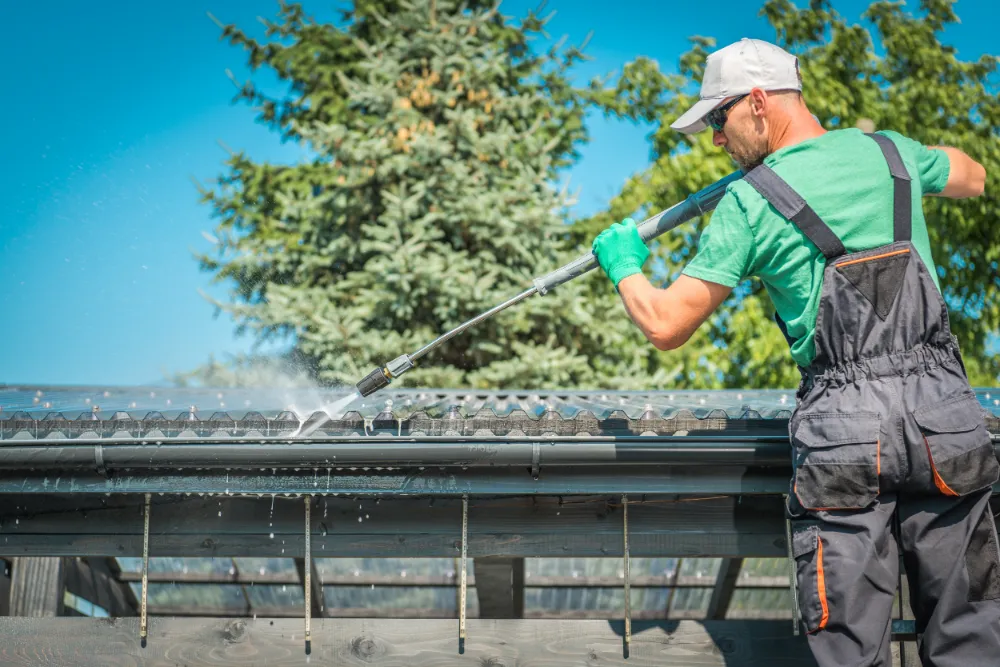
Common DIY Mistakes That Can Damage Your Home
Renting a pressure washer and giving it a go yourself might seem like a cost-saving move. For some jobs—like cleaning a concrete path or rinsing patio furniture—it can work fine. But DIY pressure washing frequently leads to preventable damage.
Common mistakes include:
- Using too much pressure on wood or painted surfaces, causing splintering, cracking, or paint removal
- Holding the nozzle too close, which concentrates pressure into a destructive stream
- Spraying upward on siding, which forces water behind the panels and into walls
- Skipping pre-treatment, which means more pressure is needed and results are less thorough
- Using the wrong nozzle tip, as the spray angle dramatically changes the effective pressure
- Neglecting protective measures, such as covering electrical outlets or protecting nearby plants from chemical runoff
Many homeowners also underestimate the physical demands of the job. Professional-grade equipment is heavy and can kick back unexpectedly. Injuries from pressure washing are more common than most people realize.
For routine surface rinsing, DIY is reasonable. For anything involving your roof, elevated surfaces, delicate materials, or heavy organic buildup, professional service is the safer and more cost-effective path.
Keep Your Home’s Exterior in Peak Condition
Pressure washing and power washing are both effective tools—when used correctly, on the right surfaces, with the right technique. The difference between a satisfying clean and a costly repair often comes down to choosing the right method and applying it with precision.
For Oregon homeowners dealing with moss, mildew, stained driveways, or weathered siding, regular professional cleaning is one of the most practical investments you can make in your property. A+ Exterior Cleaning brings the local knowledge, proper equipment, and surface expertise to get the job done right the first time.
Ready to see the difference? Contact A+ Exterior Cleaning to schedule your next exterior cleaning service.
https://www.google.com/maps?cid=9581861370272832557